
The Hidden Dangers of Ignoring Pest Infestations
- Pest_Control
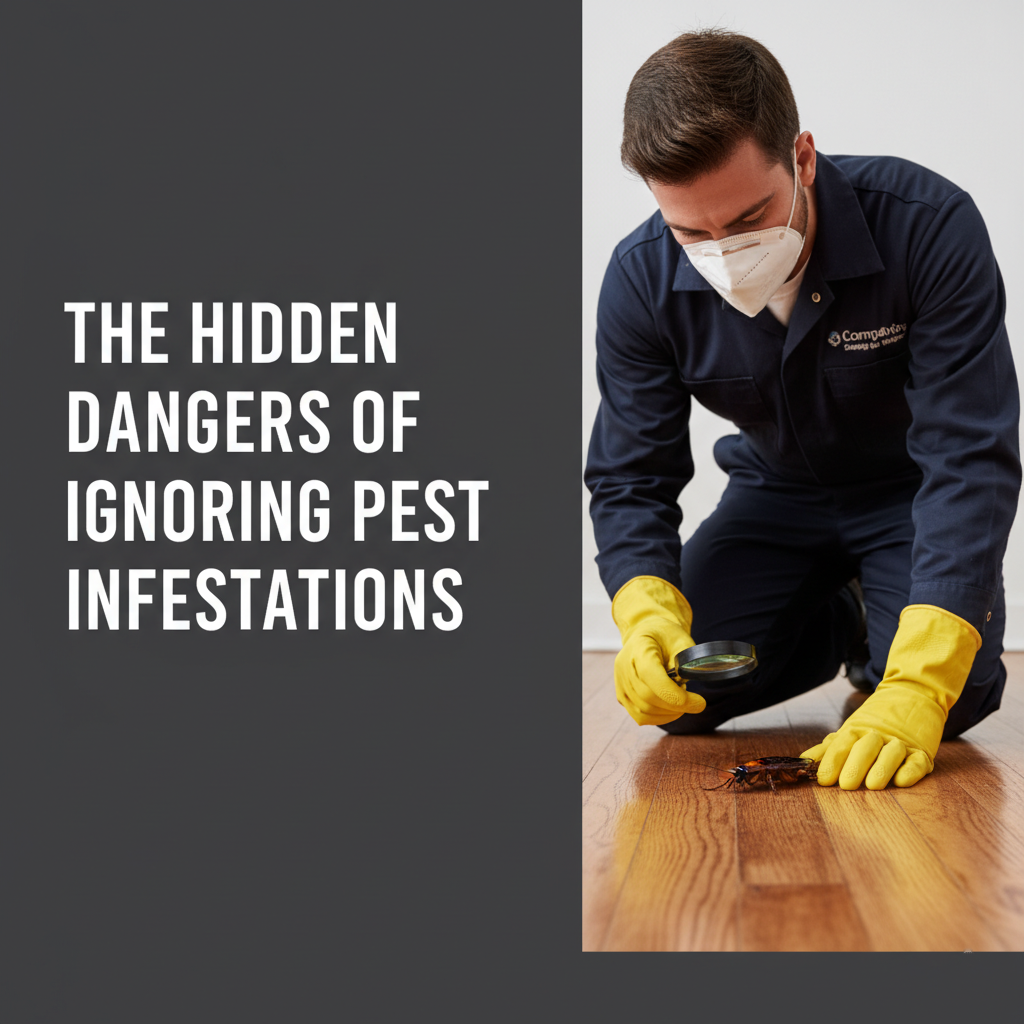
Table of Contents
Introduction
Hidden beneath the walls, floors, and ceilings of homes and commercial properties, pests often go unnoticed until the damage is done. Whether it’s termites silently weakening structural beams or rodents gnawing through electrical wires, these uninvited guests can cause far more harm than most people realize. Ignoring pest infestations may seem like a small oversight today, but it can quickly turn into a costly and dangerous problem that affects your property’s integrity, your health, and even your business reputation.
Ignoring pest infestations allows these hidden threats to multiply unchecked, leading to extensive structural damage and health hazards. Many property owners don’t realize that ignoring pest infestations can void insurance claims and reduce property value significantly. The consequences of ignoring pest infestations extend beyond repair costs to include potential legal liabilities and business closures. That’s why ignoring pest infestations is never worth the risk—early intervention is always the smarter choice.
1. The Hidden Structural Damage
Structural Damage: The Silent Threat of Ignoring Pest Infestation
One of the most severe consequences of ignoring pest infestations is the hidden structural damage they cause. Termites, carpenter ants, and wood borers thrive on cellulose-based materials such as wood, paper, and insulation. Over time, their continuous feeding weakens the very foundation of your building, compromising beams, floors, and walls.
The scary part? This destruction often happens silently, hidden from plain sight, until you notice sagging floors, hollow wood, or doors that no longer close properly. Ignoring pest infestations allows these destructive insects to work undetected for months or even years. The financial impact of ignoring pest infestations can reach tens of thousands of dirhams in repair costs. By the time you see these signs, ignoring pest infestations has already resulted in significant—and costly—damage. Property owners who make the mistake of ignoring pest infestations often face emergency repairs that could have been prevented with early detection.
2. Health Hazards That Lurk Unseen
Another hidden danger of pest infestations lies in their impact on human health. Rodents, cockroaches, and flies are known carriers of bacteria, viruses, and allergens that can spread diseases such as salmonella, hantavirus, and asthma-triggering pathogens. Cockroach droppings and shed skin particles can exacerbate respiratory conditions, especially in children and the elderly. Additionally, mosquito and bedbug infestations can lead to uncomfortable bites and allergic reactions. The longer these pests go untreated, the greater the risk to your family’s or employees’ wellbeing.
3. Electrical and Fire Hazards
Rodents, in particular, pose a unique hidden danger—electrical damage. Their constant chewing behavior can strip the insulation off wires, creating short circuits and increasing the risk of electrical fires. Many property owners overlook this threat until a small spark leads to a costly disaster. Professional pest inspections can help identify these hazards early, preventing serious property loss and safety risks.
4. Contaminated Food and Water Sources
Pests are not only destructive but also contaminating. Ants, cockroaches, and rodents often infiltrate kitchens, pantries, and water sources in search of food. The hidden contamination they leave behind—urine, droppings, or shed skin—can compromise food safety and hygiene. For businesses in the hospitality or food service industry, this can lead to health violations, bad reviews, and loss of customer trust.
5. Damage to Reputation and Business
For commercial establishments, pest infestations come with hidden financial consequences that extend beyond repairs. Imagine a restaurant, hotel, or retail outlet facing negative online reviews or fines from health authorities due to pest sightings. The reputational damage can be devastating, and rebuilding public trust is far more expensive than regular pest maintenance. A single pest incident can undo years of hard-earned credibility.
6. Financial Costs of Neglect
The most painful hidden cost of ignoring pest infestations is the financial burden that follows. Minor infestations can often be resolved quickly and affordably with preventive pest control. However, once pests have spread, you may face not only extermination expenses but also renovation and repair costs that could have been avoided with early detection. Prevention is always cheaper than cure—especially when it comes to pests.
7. The Importance of Professional Pest Control
DIY methods may seem appealing, but they often fail to address the hidden roots of the problem. Pests nest in deep cracks, attics, basements, and wall voids, making it difficult for household sprays to reach them. Professional pest control specialists use advanced equipment and eco-friendly treatments to eliminate infestations safely and effectively. Regular inspections and maintenance plans help detect early signs, ensuring long-term protection for your property.
8. Building a Safer, Healthier Space
A pest-free property is more than just a clean space—it’s a healthy, safe, and valuable one. Addressing hidden infestations early not only preserves your building’s structure but also enhances comfort, hygiene, and peace of mind. Investing in professional pest management is a proactive way to protect what matters most—your family, your assets, and your future.
Conclusion
At Blue Diamond, we believe in safeguarding your property from the hidden threats that pests bring. Our comprehensive pest management solutions combine advanced detection, safe treatments, and preventive maintenance to ensure your home or business remains clean, healthy, and pest-free. Don’t let small signs turn into big problems—trust Blue Diamond to protect your space today.
Need a professional touch?
Don’t wait until pests take over—stay one step ahead with Blue Diamond’s pest control.
 contact@bluediamondfm.com
 +971 56 705 4223
 https://pestcontrolservicesuae.com/
How do I know if I have a pest infestation?
Look for signs such as droppings, unusual noises in walls, chewed materials, or musty odors. Even if these signs seem minor, pests often remain hidden, so a professional inspection is always recommended.
What are the most common household pests in Dubai?
Common pests include termites, cockroaches, ants, rodents, mosquitoes, and bedbugs. Each poses its own hidden threat to health and property.
How often should pest control be done?
For residential properties, quarterly pest control is recommended. Commercial establishments, especially those in the food sector, should schedule monthly or bi-monthly treatments to avoid hidden infestations.
Can pests come back after treatment?
Yes, if entry points or hidden nests aren’t properly treated, pests can return. That’s why ongoing monitoring and preventive treatments are crucial for lasting results.
Why hire professionals instead of using store-bought pest sprays?
Professional pest control services identify hidden breeding areas and use targeted, safe solutions that eliminate pests completely, preventing recurrence and ensuring long-term safety.
Frequently Asked Questions (FAQs)
Share this
Book Your
Service In
30 Seconds
- 30 years of experinece
- Served 40,000+ clients across UAE
- Dubai Municipality Approved
- Eco - friendly products safe for All
- Cost Effective
- 24/7 Customer support
Check out our Recent Blogs

Best Pest Control Solutions for Restaurants in the UAE
Table of Contents Best Pest Control Solutions for Restaurants and Food Establishments in the UAE A single cockroach on a...

Blue Diamond: Leading Pest Control Provider in UAE
Table of Contents Why Blue Diamond Is the Leading Pest Control Provider in UAE Ask ten facilities managers what they...