
Ant Invasions Explained: Why They Keep Coming Back
- Pest_Control
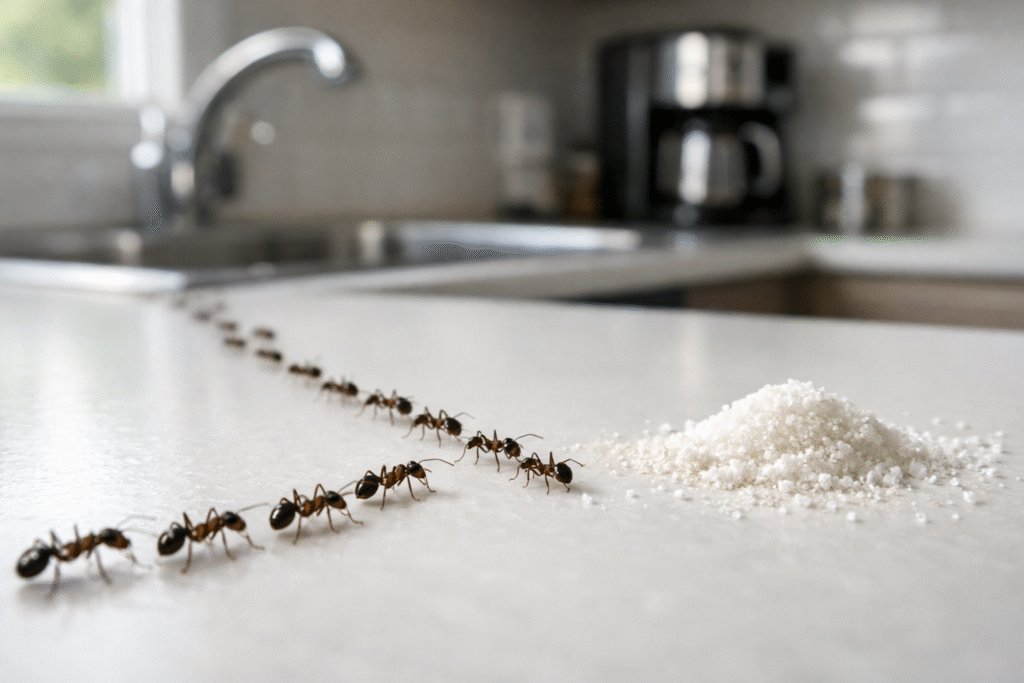
Table of Contents
Introduction
Ant invasions are one of the most frustrating pest problems homeowners face. You clean up every crumb, seal every crack, and eliminate every visible ant, yet within days or weeks, they’re back in full force. Understanding why ant invasions keep returning is the first step toward achieving lasting control and preventing future infestations.
The Colony Connection
The primary reason ant invasions recur is that most treatment methods only address the visible problem: the worker ants you see marching across your countertops. These workers represent just 10-15% of the entire colony. The queen and thousands of other ants remain safely hidden in their nest, continuously producing new workers to replace those you’ve eliminated.
When you spray visible ants or wipe them away, you’re essentially trimming branches while leaving the roots intact. The colony remains fully operational, and within a short time, new foraging parties emerge to continue their search for food and water. This cycle explains why ant invasions provide only temporary relief with surface-level treatments.
Chemical Trails and Memory
Ants communicate through chemical pheromones, leaving invisible trails that guide other colony members to food sources. Even after you’ve cleaned an area thoroughly, these chemical markers can persist for days or weeks. Future foraging parties follow these established highways directly to previously successful locations in your home.
This sophisticated communication system means that once ants discover your kitchen or pantry, that location becomes part of their collective memory. Multiple generations of workers will continue checking these proven sites, explaining why ant invasions often occur in the same spots repeatedly, creating predictable patterns.
Seasonal Patterns
Ant activity naturally fluctuates with seasons, and understanding these patterns helps explain recurring invasions. During spring, colonies expand rapidly and require substantial food resources. In summer, drought conditions drive ants indoors seeking water. Fall triggers intense foraging as colonies prepare for winter. Even winter can bring invasions when ants nest in wall voids seek warmth and moisture inside heated homes.
These seasonal pressures mean that even if you successfully eliminate one wave of invaders, environmental conditions may trigger another invasion weeks or months later. Different species may also invade at different times throughout the year, making ant invasions a year-round concern.
Multiple Colonies and Super Colonies
Your property might host multiple ant colonies, each operating independently. Eliminating one colony doesn’t prevent others from discovering and invading your home. Some species, like Argentine ants, form super colonies where multiple queens and interconnected nests span vast areas. These massive networks can contain millions of ants across hundreds of nesting sites.
When dealing with super colonies, treating one nest is like removing a single room from a mansion. The overall population barely notices the loss, and workers from adjacent nests quickly fill the void.
Entry Point Abundance
Homes offer countless potential entry points. Ants can squeeze through cracks as thin as a business card. While you might seal obvious gaps around doors and windows, ants enter through foundation cracks, utility line penetrations, weep holes, roof joints, and numerous other microscopic openings. Unless you’ve systematically sealed every possible entry point, invasions will continue.
Attractive Resources
Your home provides everything ant colonies need: food, water, and shelter. Modern homes are particularly vulnerable because we store abundant food, generate daily crumbs and spills, provide water sources through plumbing, and maintain comfortable temperatures year-round.
Even meticulous housekeeping doesn’t eliminate all food sources. Grease splatter behind appliances, crumbs in toaster trays, pet food bowls, and recycling bins all attract ants. Leaky pipes, plant saucers, and pet water dishes provide essential moisture.
Breaking the Cycle
Ending recurring ant invasions requires an integrated approach that addresses the root causes:
Target the Colony: Use bait systems that workers carry back to feed the queen and larvae. This eliminates the colony from within rather than just killing visible workers.
Eliminate Trails: Clean surfaces with vinegar or soap solutions to disrupt pheromone trails and break the chemical communication network.
Remove Resources: Store food in sealed containers, fix water leaks promptly, clean regularly behind appliances, and manage pet feeding areas carefully.
Seal Entry Points: Conduct thorough inspections and seal cracks with caulk, install door sweeps, repair screens, and close gaps around utilities.
Professional Assessment: Pest control professionals can identify species, locate nests, and implement targeted treatments that address your specific situation.
Conclusion
Ant invasions are persistent precisely because they’re symptoms of thriving underground colonies, not isolated incidents. Understanding that every ant you see represents hundreds or thousands you don’t see changes how you approach the problem. Quick fixes and surface treatments will always disappoint because they ignore the biological reality of colony structure and ant behavior.
The good news is that once you shift from reactive cleanup to proactive colony elimination and prevention, you can break the cycle permanently. Whether you choose professional treatment or a DIY approach, success requires patience, persistence, and a strategy that addresses the source rather than just the symptoms. Your home doesn’t have to be an ant highway—with the right knowledge and consistent effort, you can reclaim your space and keep it pest-free for the long term.
Need a professional touch?
Don’t wait until pests take over—stay one step ahead with Blue Diamond’s pest control.
 contact@bluediamondfm.com
 +971 56 705 4223
 https://pestcontrolservicesuae.com/
How long does it take to completely eliminate an ant colony?
Complete colony elimination typically takes 2-6 weeks using bait systems, as the poison must spread throughout the entire colony. Instant results are impossible when targeting the source.
Why do ants suddenly appear in large numbers?
Scout ants constantly search for resources. When one discovers food or water, it leaves a pheromone trail recruiting hundreds of nestmates, creating the appearance of a sudden invasion.
Are DIY treatments effective against ant invasions?
DIY baits can work for small, accessible colonies, but professional treatment is more effective for large infestations, super colonies, or hard-to-reach nests in walls or foundations.
Can ants damage my home?
Most common household ants don’t cause structural damage, but carpenter ants excavate wood for nesting and can compromise structural integrity over time if left untreated.
How can I prevent future ant problems?
Prevention requires consistent sanitation, moisture control, food storage practices, regular home maintenance, and periodic professional inspections to catch problems early.
Frequently Asked Questions (FAQs)
Share this
Book Your
Service In
30 Seconds
- 30 years of experinece
- Served 40,000+ clients across UAE
- Dubai Municipality Approved
- Eco - friendly products safe for All
- Cost Effective
- 24/7 Customer support
Check out our Recent Blogs

Best Pest Control Solutions for Restaurants in the UAE
Table of Contents Best Pest Control Solutions for Restaurants and Food Establishments in the UAE A single cockroach on a...

Blue Diamond: Leading Pest Control Provider in UAE
Table of Contents Why Blue Diamond Is the Leading Pest Control Provider in UAE Ask ten facilities managers what they...