
Effective Ways to Prevent Ant Infestations in Homes and Offices
- Pest_Control

Table of Contents
Introduction
Why ants invade in the first place
Ants are opportunistic. They enter homes and offices in search of three things: food, water, and shelter. Even a few crumbs on a countertop or a leaky pipe under a sink is enough to attract a scouting ant — and where one scout goes, a colony soon follows. Understanding what draws them in is the first step to keeping them out.
A single ant colony can contain hundreds of thousands of workers. Once scouts communicate the location of a food or water source to the colony, ant infestations can escalate within 24 to 48 hours. Early prevention is always more effective than reactive treatment.
1. Seal entry points around your property
Ants can squeeze through gaps as small as 1mm. Inspect the exterior of your building for cracks in the foundation, gaps around window frames, door seals, utility pipes, and cable entry points. Use silicone caulk or weatherstripping to seal these entry points. This single step alone can dramatically reduce the risk of ant infestations by cutting off the routes ants use to get inside.
2. Maintain strict food hygiene
In both homes and offices, food hygiene is non-negotiable. Store all food — including dry goods like cereals, sugar, and pet food — in airtight containers. Clean kitchen surfaces, dining areas, and break rooms after every use. Ensure that bins have tight-fitting lids and are emptied regularly. Even residue from sweet drinks left on desks or countertops is enough to trigger ant infestations in workplaces.
- Wipe down countertops and stovetops after every meal or snack
- Sweep or vacuum floors daily in high-traffic food areas
- Rinse recyclables before placing them in bins
- Avoid leaving dirty dishes overnight
3. Eliminate moisture sources
Many ant species — particularly carpenter ants — are attracted to damp wood and standing water. Fix leaking taps, pipes, and drainage issues promptly. Ensure bathrooms and utility rooms are well-ventilated to reduce humidity. In offices, check for water damage behind walls or under flooring, as these hidden damp spots are prime nesting areas that can contribute to ant infestations going undetected for months.
4. Manage landscaping and outdoor areas
Outdoor environments play a major role in ant activity near your property. Trim back bushes, trees, and plants that touch or overhang your building, as these act as natural bridges for ants. Keep mulch and soil at least 15cm away from your foundation. Woodpiles, garden debris, and compost heaps close to the building are common nesting sites that contribute to ant infestations spreading indoors.
5. Use natural deterrents
Several natural substances are known to deter ants. Peppermint oil, white vinegar, cinnamon, and diatomaceous earth can be applied around entry points and problem areas. These solutions are non-toxic and safe for use in homes with children or pets, as well as in office environments. While these methods help manage ant activity, they work best as a complement to physical prevention measures rather than as a standalone solution to serious ant infestations.
6. Schedule regular professional inspections
Prevention is most effective when it’s proactive. Engaging a professional pest control company for scheduled inspections — particularly before spring and summer when ant activity peaks — allows experts to identify and address vulnerabilities before they develop into full ant infestations. Professionals can also provide targeted treatments that are safe for your household or workplace environment.
Conclusion
Preventing ant infestations is not a one-time task — it’s an ongoing commitment to maintaining a clean, well-sealed, and moisture-free environment. Whether you’re managing a family home or a busy workplace, the steps outlined in this guide give you a solid, practical foundation to keep ants from ever becoming a serious problem in the first place.
The most effective approach combines good daily habits — like proper food storage and prompt cleaning — with structural measures such as sealing entry points and managing outdoor landscaping. Add natural deterrents where needed and schedule professional inspections before peak ant season, and you’ll be well ahead of the problem before it starts.
Remember, ants are persistent, but so is good prevention. The moment you spot early warning signs, act quickly. A small trail of scouts today can become a full-scale ant infestation tomorrow if left unchecked. With the right knowledge and consistent effort, keeping ants out of your home or office is entirely achievable — and far less stressful than dealing with an established colony after the fact.
Need a professional touch?
Don’t wait until pests take over—stay one step ahead with Blue Diamond’s pest control.
 contact@bluediamondfm.com
 +971 56 705 4223
 https://pestcontrolservicesuae.com/
How do I know if I have an ant infestation or just a few stray ants?
If you’re seeing a consistent trail of ants, finding them in multiple areas of your property, or noticing them returning daily despite cleaning, you likely have an established colony nearby. A few isolated ants are scouts; repeated sightings in the same location suggest a more serious problem requiring attention.
What time of year are ant infestations most common?
Ant activity peaks in spring and summer when colonies expand and food-foraging behaviour intensifies. However, ant infestations can occur year-round in warm indoor environments like heated homes and offices, especially during colder months when ants seek warmth and shelter.
Are some ant species more dangerous than others?
Yes. While most common house ants are a nuisance, carpenter ants can cause structural damage by tunnelling through wood. Fire ants deliver painful stings and can be a health risk. If you’re unsure of the species involved, a professional pest inspection is recommended.
Can I deal with an ant infestation myself?
Minor ant activity can often be managed with good hygiene, sealing entry points, and natural deterrents. However, established ant infestations — particularly those involving carpenter ants or large colonies — are best handled by a licensed pest control professional to ensure the colony is fully eliminated.
How quickly can ant infestations develop?
Once a scout ant locates a food or water source, it lays a pheromone trail that can attract dozens to hundreds of workers within hours. An unchecked colony can grow rapidly, making early detection and prevention critical to avoiding a large-scale problem.
Frequently Asked Questions (FAQs)
Share this
Book Your
Service In
30 Seconds
- 31 years of experinece
- Served 40,000+ clients across UAE
- Dubai Municipality Approved
- Eco - friendly products safe for All
- Cost Effective
- 24/7 Customer support
Check out our Recent Blogs
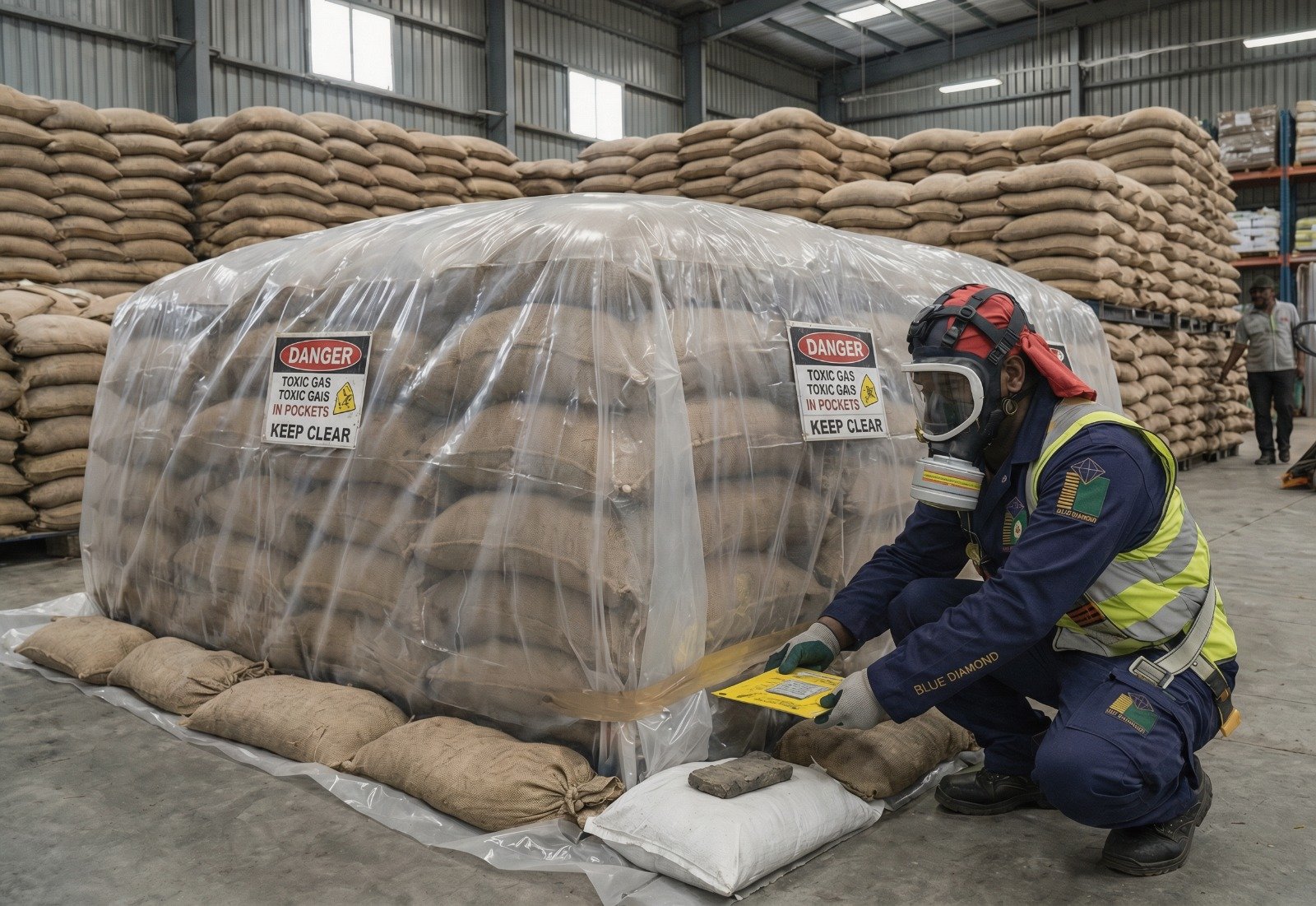
Fumigation Services UAE: When Is Fumigation Necessary?
Table of Contents Fumigation Services UAE: When Is Fumigation Necessary? Fumigation is the heaviest tool in the pest control toolbox,...
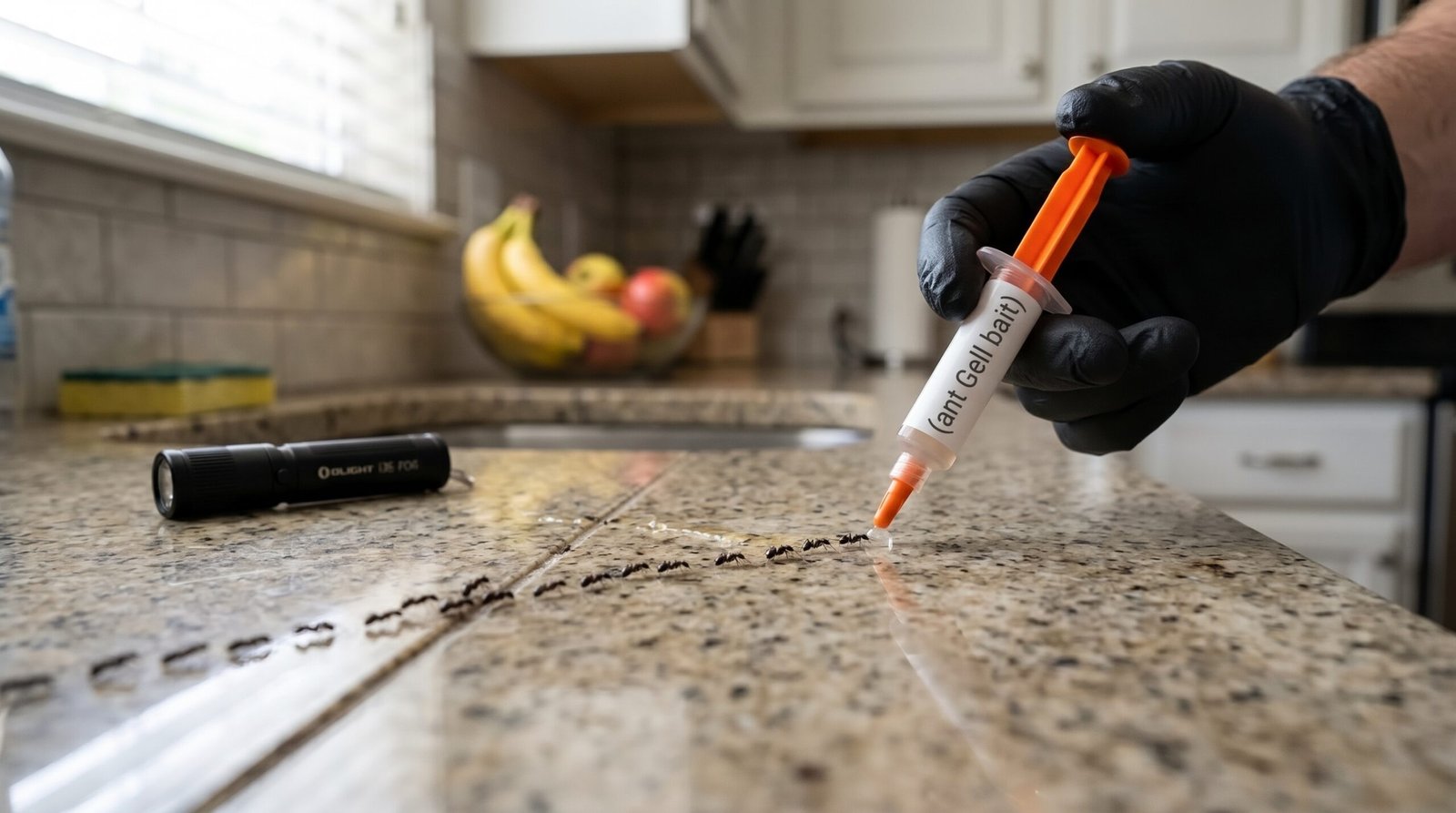
Ant Control UAE: How to Stop Ant Infestations Fast
Table of Contents Ant Control UAE: How to Stop Ant Infestations at Home & Work A trail of ants across...