
How Pest Control Supports Healthy Living in Urban Environments
- Pest_Control
Introduction
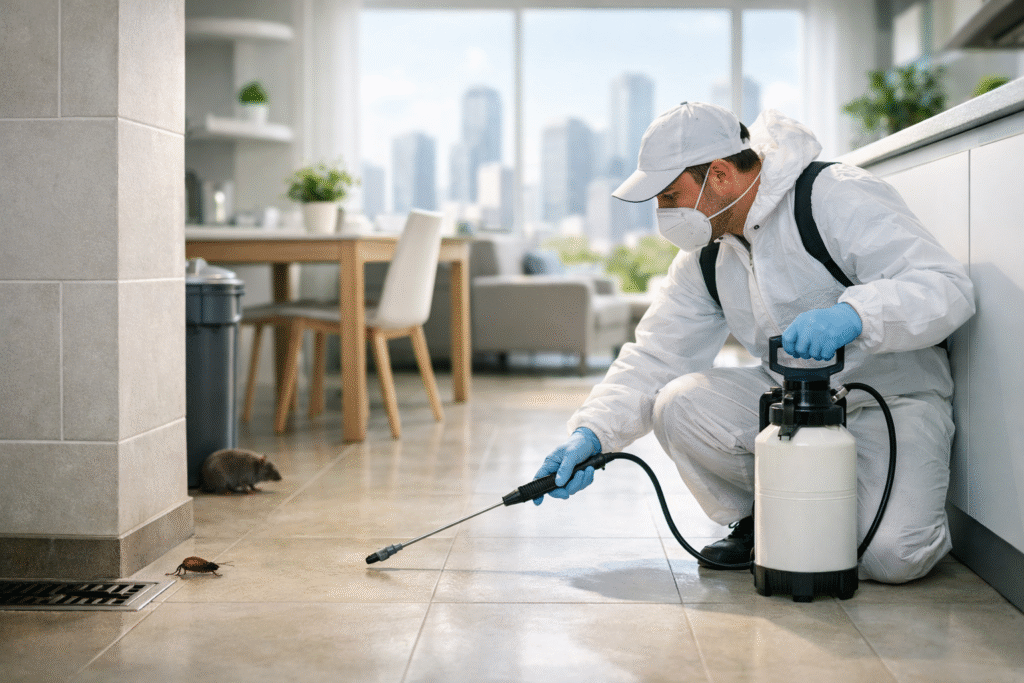
Pest control is one of the most underappreciated pillars of public health in modern cities. As urban populations grow and living spaces become more densely packed, the presence of rodents, insects, and other unwanted invaders poses a genuine threat — not just to property, but to the physical and mental wellbeing of millions of residents. Understanding the relationship between pest control and healthy urban living is the first step toward taking it seriously.
The Hidden Health Risks of Urban Pests
Cities create ideal habitats for pests. Warm buildings, abundant food waste, ageing infrastructure, and interconnected sewer systems all provide conditions that rodents, cockroaches, bedbugs, and mosquitoes thrive in. Without proactive pest control, these creatures can multiply rapidly and silently — often long before residents notice a visible infestation.
The health consequences are well-documented. Rats and mice are known carriers of leptospirosis, hantavirus, and salmonella, all of which can be transmitted to humans through contact with droppings, urine, or contaminated surfaces. Cockroaches are significant triggers of asthma and allergic reactions, particularly in children. Mosquitoes carry dengue fever and West Nile virus. The list goes on — and in a city environment, the risk of exposure is constant.
Protecting Food Safety in Urban Homes and Businesses
One of the most direct ways pest control supports healthy living is through food safety. Urban kitchens — whether in homes, restaurants, or food distribution centres — are prime targets for pests looking for sustenance. A single rodent or cockroach infestation can contaminate entire food supplies, leading to illness outbreaks that affect not just a household but an entire neighbourhood if the source is a shared commercial kitchen or food retailer.
Routine pest control inspections and preventative treatments ensure that food preparation and storage areas remain hygienic. This is particularly important in cities where residents rely heavily on takeaway and restaurant dining — places where pest management standards directly impact public health at scale.
Mental Wellbeing and the Stress of Infestation
The psychological impact of living with pests is a dimension that is rarely given the attention it deserves. Studies have consistently shown that infestations increase anxiety, disrupt sleep, and can cause significant distress — particularly in households with children or elderly residents. The stigma associated with pests can also lead to social withdrawal and reduced quality of life.
Effective pest control does more than eliminate the physical threat — it restores a sense of safety and comfort in the home. Knowing your living environment is clean, protected, and professionally managed contributes meaningfully to mental health and day-to-day peace of mind.
Environmental and Child Safety Considerations
Modern pest control has evolved dramatically. Today’s leading professionals prioritise integrated pest management (IPM) approaches that minimise chemical exposure while maximising effectiveness. This is especially important in urban environments where children, pets, and ecologically sensitive spaces are nearby.
Child-safe treatments, targeted application methods, and non-toxic baiting systems mean that families no longer have to choose between safety and efficacy. Responsible pest control protects your household without introducing new hazards into the environment — a balance that reflects the sophistication of the industry today.
Why Regular Pest Control is a Long-Term Investment
Many urban residents treat pest control as a reactive measure — called in only when there is already a visible problem. But prevention is far more effective and economical than cure. Scheduled inspections and treatments stop infestations before they take hold, protecting structural integrity, reducing health risks, and avoiding the significant cost of dealing with an established colony.
Think of pest control the same way you think of dental check-ups or boiler servicing — a regular maintenance habit that keeps a much larger problem from developing. In dense urban areas, where pests can migrate easily through shared walls, roof spaces, and drainage systems, this proactive approach is not just sensible; it is essential.
Conclusion
Healthy urban living depends on many factors — clean air, access to green space, safe food, and secure housing. Pest control is woven into all of these. It protects our food, our mental health, our children, and our homes from threats that are invisible until they are not. In a city environment, investing in professional pest control is one of the most straightforward decisions a resident, landlord, or business owner can make in support of a genuinely healthy life.
Need a professional touch?
Don’t wait until pests take over—stay one step ahead with Blue Diamond’s pest control.
 contact@bluediamondfm.com
 +971 56 705 4223
 https://pestcontrolservicesuae.com/
How often should I schedule pest control in an urban home?
For most urban properties, a quarterly treatment schedule provides strong year-round protection. However, if you live in a high-density area, an older building, or near food businesses, bi-monthly visits may be advisable. Your pest control professional can recommend a programme based on your specific environment and risk level.
Is pest control safe for children and pets?
Yes — modern pest control treatments are designed with household safety in mind. Reputable companies use child- and pet-safe formulations and integrated pest management techniques that minimise chemical use. Always inform your technician about children, pets, and any specific sensitivities so they can tailor the treatment accordingly.
What are the signs that I need professional pest control?
Common indicators include droppings, gnaw marks, unexplained damage to food packaging, unusual odours, scratching sounds within walls, and visible insects or rodents. Skin rashes, bite marks, or worsening allergies can also suggest an infestation. If you notice any of these signs, it is best to book a professional inspection promptly rather than waiting.
Can pests spread disease through indirect contact?
Absolutely. Many disease-causing pathogens can survive on surfaces contaminated by pest droppings, urine, or shed skin. Simply touching a countertop that a rodent has walked across and then touching your face can be enough to cause infection. This is why maintaining clean, pest-free surfaces in food preparation areas is so critical.
Does pest control help with allergies and asthma in urban areas?
Yes, significantly. Cockroach allergens are one of the most common indoor triggers for asthma, particularly in urban housing. Rodent dander and dust mite populations, which pests can worsen, also aggravate respiratory conditions. Effective pest control reduces the allergen load in your home, often leading to measurable improvements in respiratory health for sufferers.
Frequently Asked Questions (FAQs)
Share this
Book Your
Service In
30 Seconds
- 31 years of experinece
- Served 40,000+ clients across UAE
- Dubai Municipality Approved
- Eco - friendly products safe for All
- Cost Effective
- 24/7 Customer support
Check out our Recent Blogs
Commercial Pest Control Suppliers RAK | Guide
Table of Contents Commercial Pest Control Suppliers RAK Ras Al Khaimah is no longer the quiet northern emirate. With Saqr...
Top Pest Control Companies in Dubai (2026 Guide)
Table of Contents Top Pest Control Companies in Dubai Top Pest Control Companies in Dubai all share a handful of...