
Best Pest Control Solutions for Restaurants in the UAE
- Pest_Control
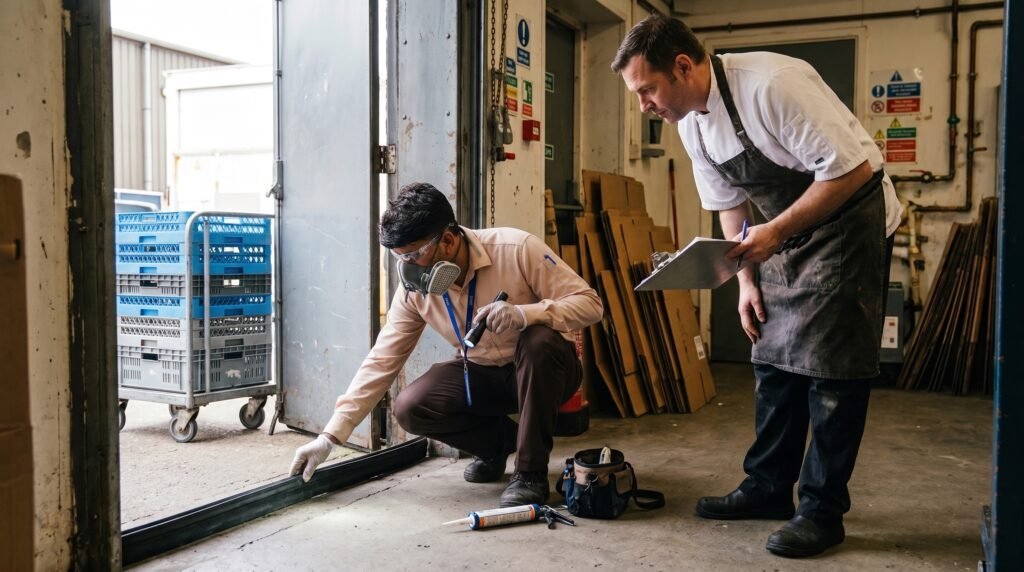
Table of Contents
Best Pest Control Solutions for Restaurants and Food Establishments in the UAE
A single cockroach on a dining table can end a customer relationship. A rodent dropping in a dry store can fail an inspection. A confirmed infestation can close a kitchen. For restaurants, cafés, hotels, central kitchens and food producers, pest control isn’t a background maintenance task. It’s part of food safety, brand protection and license security.
This guide sets out the best pest control solutions for restaurants and food establishments across the UAE: what a strong program includes, which pests to expect and how each is handled, how to stay audit-ready, and how to choose a provider who can prove what they promise.
Why Food Establishments Are High-Risk for Pests
Restaurants offer pests everything they want in one place: food, water, warmth and shelter. In the UAE, several local factors raise the pressure:
- Year-round warmth: There’s no cold season to slow breeding, so pest populations keep growing.
- Dense food-service clusters: Restaurant strips, malls and food courts share walls, drains and waste areas, so pests move between neighbours.
- Shared infrastructure: Towers and malls share risers, bin rooms and loading bays that connect many tenants.
- High deliveries and turnover: Cardboard, crates and fresh produce arriving daily can carry insects and attract rodents.
- Grease and drainage load: Kitchen drains and grease traps are a persistent breeding ground for flies and cockroaches.
- Outdoor and terrace dining: Open seating draws flies, ants, birds and rodents toward customers.
These factors mean a reactive, call-when-you-see-one approach almost always fails. Prevention and documentation are what protect a food business.
What Makes a Pest Control Solution "Best" for a Food Business?
Judge any solution against five tests:
- It finds the source: not just the visible insects
- It uses the least invasive effective methods: especially around food and food-contact surfaces
- It’s documented: with records an inspector can verify
- It’s reliable: with scheduled visits and a fast emergency response
- It’s built for your site: matching your kitchen, building and cuisine
Everything below follows from those five tests.
The Core of Any Strong Programme: Integrated Pest Management
Integrated Pest Management (IPM) is the standard approach for food businesses because it treats pests as a system problem, not a spraying problem. It has five stages:
1. Inspection and Identification
A technician surveys the premises, identifies the species and finds harborage, entry points and food and moisture sources. Treatment strategy differs sharply between, for example, German cockroaches and rodents, so accurate identification comes first.
2. Exclusion and Proofing
Sealing gaps around pipes and cables, fitting door sweeps, meshing vents, repairing damaged seals and fixing drainage defects stops new pests entering. Treatment without proofing means new pests simply replace the ones you removed.
3. Sanitation and Housekeeping
Pests follow food and moisture. Sealed waste, prompt cleaning of spills, dry storage off the floor and dry floors at close of service are as important as any product.
4. Monitoring
Numbered, mapped monitoring points (rodent stations, insect light traps, glue monitors) give early warning and produce the data that proves your program works.
5. Targeted Treatment
When treatment is needed, it’s precise: gel baits in cracks and crevices, tamper-resistant bait stations, drain treatments and residual products only where appropriate. Broad spraying in food areas is a last resort, not a first step.
Best Solutions by Pest
| Pest | Typical Problem Areas | Recommended Approach |
|---|---|---|
| German cockroaches | Kitchens, dishwash, behind equipment, under sinks | Gel baiting, crack-and-crevice treatment, drain treatment, equipment-gap sealing |
| Rodents (rats and mice) | Dry store, receiving, ceiling voids, bin areas | Exclusion, tamper-resistant external stations, internal monitoring, non-toxic traps in food areas |
| Flies and drain flies | Drains, bins, bar areas, outdoor seating | Drain cleaning and treatment, waste management, insect light traps, screening |
| Ants | Prep counters, dry goods, sweet products | Species-targeted baiting and source control |
| Stored-product insects | Flour, rice, spices, dried fruit, nuts | Stock rotation, sealed containers, inspection of incoming goods, targeted treatment |
| Birds | Terraces, outdoor dining, roofs, signage | Netting, deterrents and removing food sources |
| Mosquitoes | Outdoor seating and landscaping | Standing-water control, larviciding, targeted adult control |
Notice what’s absent: routine fogging or blanket spraying. In a working kitchen, those are rarely the best answer.
Where Pests Hide: A Restaurant Walkthrough
A good provider inspects every zone, because pests hide where cleaning doesn’t reach:
- Receiving and loading area: cardboard, pallets, door gaps, incoming produce
- Dry store: low shelves, bulk sacks, floor-wall junctions
- Cold rooms and freezers: door seals, condensate drains, insulation gaps
- Main kitchen: behind and under cooking equipment, in motors and hinges, hollow table legs
- Dishwash area: wet floors, drains and splash zones
- Bar and beverage stations: sugary residues, drains, fruit flies
- Bin room and waste area: lids, drainage, spillage
- Restrooms and staff areas: pipe penetrations, lockers, food stored by staff
- Dining room and terrace: soft furnishings, planters, outdoor lighting
Each zone gets its own monitoring and its own risk rating in a strong programme.
How to Judge Any Pest Control Provider (Including Us)Staying Audit-Ready
Food-safety inspectors and third-party auditors want to see that pest control is controlled, not coincidental. Under frameworks such as HACCP and ISO 22000, pest management is a documented prerequisite, and municipal food-control teams in each emirate look for evidence of it. Requirements and the responsible authority vary by emirate, so confirm what applies to your premises with your provider and the relevant authority.
Records a strong program produces:
- Valid contractor license and approvals: and technician training records
- Registered pesticide list: with safety data sheets
- A site plan: showing numbered monitoring points
- Dated service reports: after every visit, with findings and actions
- Trend analysis: showing activity over time
- Corrective-action records: for any structural or hygiene issues raised
- Certificates and sign-offs: retained for the period your auditor expects
If your provider leaves a receipt instead of a report, you have a compliance gap, no matter how well the treatment worked.
Visit Frequency by Establishment Type
| Establishment Type | Typical Program |
|---|---|
| Hotels, central kitchens and food production | Monthly or more frequent audit-grade visits with full reporting |
| Full-service restaurants and large cafés | Monthly service with monitoring checks |
| Small cafés and low-risk outlets | Monthly or bi-monthly, depending on risk assessment |
| Outdoor-heavy venues and terraces | Monthly, with added fly, bird and mosquito control in warm months |
| Food retail and bakeries | Monthly, with attention to stored-product pests |
The right frequency comes from a risk assessment of your site, not a fixed template. Your auditor’s or authority’s requirements should always take priority.
Treating a Working Food Business Safely
Restaurants can’t close for days, so the best solutions work around service:
- Out-of-hours scheduling: so treatment never overlaps with food preparation or customers
- Food-safe products and methods: gels, baits and enclosed stations rather than aerosols near food
- Protecting food and surfaces: covering or removing exposed food and utensils before any treatment
- Clear re-entry instructions: and any needed cleaning after treatment
- Fumigation only when truly necessary: such as a severe, hidden infestation or commodity treatment, and only under strict safety controls
What Your Team Can Do Every Day
Even the best pest control solutions for restaurants depend on daily habits. A short checklist for kitchen staff:
- Seal and store dry goods in lidded containers, off the floor
- Remove cardboard from the premises promptly after deliveries
- Clean spills and food debris at close of service, especially under equipment
- Keep floors and drains dry and clear overnight
- Close bin lids and empty waste on schedule
- Report any droppings, gnawing, live pests or odours immediately
- Check door seals and report gaps or damage
Staff who spot problems early save the business far more than any single treatment.
What Drives the Cost of Restaurant Pest Control
Pricing is set after a site inspection and depends on:
- Premises size: and number of zones
- Risk level and cuisine
- Visit frequency
- Pests covered: (general program versus rodents, flies, birds and more)
- Reporting depth: for audit-grade documentation
- Out-of-hours access
- Contract length: (annual contracts typically cost less per visit than ad-hoc work)
Be cautious of very low quotes. They usually mean monitoring, reporting or follow-up has been stripped out, which are exactly the parts auditors check.
How to Choose a Pest Control Provider for a Food Business
- Valid trade license and any required municipal approvals: verified directly
- Registered products only: with safety data sheets available
- A documented IPM method: not spray-only service
- Experience in food service: with references from comparable kitchens
- Audit-ready reporting: site plan, monitoring data and dated reports
- Out-of-hours capability and quick emergency response: committed in writing
- Trained, identifiable technicians: and public liability insurance
- Clear, itemised pricing and defined follow-up if pests return
- Support on structural fixes: not just treatment
Protect Your Kitchen, Your Customers and Your License
The best pest control solutions for restaurants combine accurate inspection, proofing, good housekeeping, mapped monitoring, precise treatment and records an auditor can verify. Done well, they stop problems before customers or inspectors ever see them.
Book a free kitchen inspection with Blue Diamond Team. Our licensed technicians will assess your premises, identify risk areas and provide a clear written program with out-of-hours scheduling and audit-ready reporting, for restaurants and food businesses anywhere in the UAE.
Contact our team to book your Pest control Service in UAE appointment
📞 Call us now | 📩 Request a free inspection | 📍 Serving all of Dubai & the UAE
Need a professional touch?
Don’t wait until pests take over—stay one step ahead with Blue Diamond’s pest control.
 contact@bluediamondfm.com
 +971 56 705 4223
 https://pestcontrolservicesuae.com/
What is the best pest control solution for a restaurant?
An Integrated Pest Management programme: inspection-led, with exclusion, sanitation, mapped monitoring, targeted treatment and documented reporting. Routine blanket spraying is rarely the best answer in a food environment.
How often should a restaurant have pest control?
Most food businesses are on monthly service, with more frequent visits for high-risk sites such as hotels and production kitchens. A risk assessment, plus your auditor’s and authority’s requirements, should set the frequency.
Is pest control safe in a kitchen that's open for business?
When done properly, yes. Professionals use gels, baits and enclosed stations in food areas, schedule work outside service hours and protect food and surfaces before treatment.
What records do inspectors want to see?
Typically the contractor’s license, product safety data sheets, a site plan with monitoring points, dated service reports and trend data. Confirm the exact expectations for your premises with your provider and the relevant authority.
Can my own staff handle pest control instead of a contractor?
Staff can and should handle daily prevention: sealing food, cleaning and reporting. Treatment, monitoring and documentation should be handled by licensed professionals using registered products.
Frequently Asked Questions (FAQs)
Share this
Book Your
Service In
30 Seconds
- 31 years of experinece
- Served 40,000+ clients across UAE
- Dubai Municipality Approved
- Eco - friendly products safe for All
- Cost Effective
- 24/7 Customer support
Check out our Recent Blogs

Blue Diamond: Leading Pest Control Provider in UAE
Table of Contents Why Blue Diamond Is the Leading Pest Control Provider in UAE Ask ten facilities managers what they...
Pest Control Service Ajman: Common Pests & Treatments
Table of Contents Pest Control Service Ajman: Common Pests & Professional Treatment Options Ajman is the UAE's smallest emirate by...