
Mosquito Control in the UAE After Rain | Stop Breeding
- Pest_Control
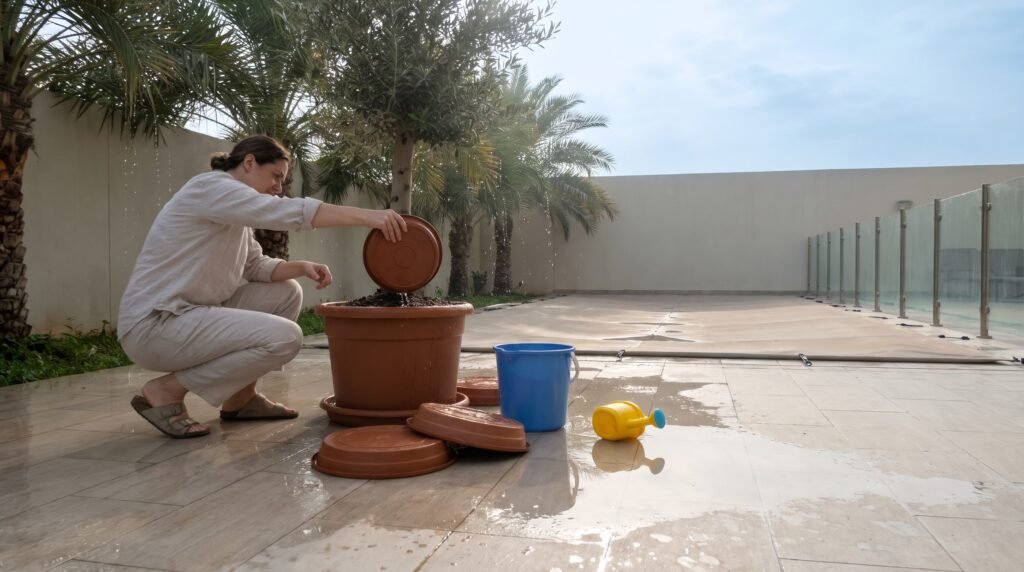
Table of Contents
Mosquito Control in the UAE After Rain: Stop Breeding in Pools, Planters & Drains
Rain is rare in the UAE, which is exactly why it catches people out. A single heavy shower leaves water in places nobody thinks to check: a plant saucer, a pool cover, a clogged gully, a flat roof, a child’s toy, the tray under an air conditioner. Within days, those small pools can turn into a mosquito nursery, and by the end of the week the evenings on the terrace are suddenly unbearable.
The good news is that mosquitoes depend on standing water to breed, and you control most of the standing water around your home or business. This guide explains how mosquito control in the UAE after rain works: why numbers jump, where breeding happens, a simple 48-hour checklist, how to deal with pools, planters, drains and rooftops, and when it makes sense to call a professional.
Why Mosquitoes Surge After Rain
Mosquitoes need water to complete their life cycle. After rain, three things come together:
- Fresh standing water appears everywhere: Saucers, buckets, covers, toys, tarpaulins, blocked gullies and low spots all collect water.
- Eggs hatch: Some mosquitoes lay eggs just above the waterline, and those eggs can sit dry for a long time, then hatch when water returns.
- Warm temperatures speed everything up: In warm weather the cycle from egg to flying adult can finish in roughly a week to ten days, so a puddle left alone after rain can release a new generation before the following weekend.
The practical message is simple: speed matters. Removing water within the first day or two, and checking again weekly, breaks the cycle before adults emerge.
The Mosquito Life Cycle in 60 Seconds
| Stage | Where It Lives | What It Means for You |
|---|---|---|
| Egg | At or just above the waterline of small containers, sometimes dry for long periods | A dry container can still hold eggs, so scrub and rinse rather than just emptying |
| Larva (wriggler) | In the water, feeding and breathing at the surface | This is the easiest stage to stop, because it can’t survive without water |
| Pupa | In the water, not feeding | Still dependent on water, so draining or treating still works |
| Adult | In the air, resting in shade and vegetation | Harder to control, which is why stopping breeding is far more effective than chasing adults |
Where Mosquitoes Breed After Rain
Mosquitoes can breed in surprisingly small amounts of water. Check these areas first.
Pools and Pool Areas
- Neglected, green or under-chlorinated pools: and pools that have been off or covered
- Water collected on pool covers
- Overflow or balance tanks: skimmer boxes and backwash pits
- Pool equipment rooms: sump pits and drainage channels
- Buckets, hoses and toys: left around the pool deck
Planters and Garden Areas
- Plant saucers and decorative pot bases
- Planter bowls without drainage: and ornamental containers
- Irrigation valve boxes and low spots: where water pools
- Bird baths, water bowls and fountain: that are switched off or slow-moving
- Tarpaulins, sheeting and garden furniture covers
- Piles of leaves, debris and old containers
Drains, Gullies and Gutters
- Blocked yard gullies, floor drains and roof outlets
- Garden drainage channels: and storm drains with standing water
- Manholes and inspection chambers: with pooled water
- Gutters and downpipes: that hold water
Air Conditioners, Rooftops and Water Tanks
- AC drip trays and condensate lines that pool water on balconies, roofs and in plant areas
- Flat roofs and terraces: where water collects in low spots
- Uncovered or poorly sealed water tanks
- Cooling-tower and plant-room puddles
Everyday Containers
- Buckets, tyres, drums and cans
- Children’s toys and paddling pools
- Discarded bottles and packaging
- Construction debris: unfinished foundations and trenches that collect rainwater
The 48-Hour After-Rain Checklist
Do this within a day or two of any significant rain, and repeat the key items weekly while conditions stay damp.
| Area | What to Do |
|---|---|
| Pool | Remove water from the cover, check chlorine and circulation, clear skimmers and balance tank, brush any green patches |
| Planters and pots | Empty saucers and bowls, tip out containers, refill only what plants need |
| Garden | Clear leaves and debris, fill or drain low spots, check irrigation boxes |
| Gullies and drains | Clear silt and debris, flush with clean water, check that water drains away within a day |
| Roof and terrace | Clear roof outlets, sweep water toward drains, check for ponding |
| AC units | Check drip trays and condensate lines, clear blockages, fix any pooling |
| Water tanks | Make sure lids and mesh screens are secure |
| Containers | Empty, scrub and turn upside down buckets, toys, tyres and anything that holds water |
| Covers and tarps | Remove or re-stretch so water can’t pool |
| Outdoor furniture | Check cushions covers, tables and chairs for trapped water |
A useful rule is tip, toss, turn: tip out the water, toss anything you don’t need and turn containers upside down so they can’t refill. You can see our guide to Seasonal Pest Control Tips for UAE Homeowners to get more details.
Mosquito Control for Pools
A maintained, circulating, correctly chlorinated pool is not a breeding site. Problems come from pools and pool areas that are neglected, covered, off or green.
- Keep the pool treated and circulating: especially after rain dilutes the water
- Remove water from covers: promptly, and keep covers taut
- Clear skimmers, baskets and the balance tank: which can hold stagnant water
- Treat green or cloudy water immediately: because it can support larvae
- Cover or drain unused pools: properly, and don’t leave them half full
- Check pool pump rooms, sump pits and drainage channels: which are often overlooked
- Tidy the pool deck: of buckets, hoses and toys that hold water
For pools you’re leaving unused, ask your pool contractor for the safest way to maintain or secure them, because an unmaintained pool is a safety risk as well as a mosquito risk.
Mosquito Control for Planters and Gardens
Plants love rain, and so do mosquitoes. Small containers are the most common culprits in homes and compounds.
- Empty plant saucers after rain: and consider removing them altogether for outdoor pots
- Choose pots that drain freely: and don’t leave water in decorative outer pots
- Fill or level low spots: where water collects
- Rinse and scrub bird baths and water bowls weekly: and refresh the water often
- Keep fountains and ornamental features running: so water doesn’t sit still
- Keep vegetation trimmed: since adult mosquitoes rest in dense, shaded plants during the day
Mosquito Control for Drains, Gullies and Rooftops
Drains are easy to forget and often hold water for days.
- Clear silt, sand and debris: from yard gullies, roof outlets and garden channels, so water drains away quickly
- Flush drains with clean water: and make sure they actually empty
- Check floor drains and inspection chambers: for pooled water
- Cover or screen openings: that don’t need to be open
- Fix recurring blockages: since a drain that holds water after every rain is a permanent breeding site
- Clear flat roofs and terraces: and correct areas that pond
- Check AC condensate lines: so they drain properly rather than pooling
If drains are chronically blocked or slow, a professional drain clean or survey can solve the underlying problem.
Larvicides and Professional Mosquito Control
Removing water is the first and best step, but some water can’t be removed, such as ornamental ponds, deep drains, sumps, tanks and large landscaped areas. That’s where professional mosquito control comes in.
A professional program typically includes:
- Inspection: to find breeding sites, including hidden ones such as roof voids, sumps and drains
- Source reduction advice: so you fix the causes, not just the symptoms
- Larvicide treatment: of water that can’t be drained, using products registered for use in the UAE and suitable for the site (there are options designed for ponds, drains and tanks)
- Targeted adult mosquito control: where needed, focused on resting areas rather than blanket fogging
- Follow-up visits: after rain and through warmer months
- A written report: and a plan for ongoing prevention
Targeting larvae is generally more effective and uses less product than trying to control adults alone, because larvae are concentrated in specific places and can’t escape.
Using Products Safely
- Use only products registered for use in the UAE: and follow the label exactly
- Be careful around ornamental ponds, pools, fish, pets and children: since some products affect aquatic life or aren’t suitable for certain locations
- Don’t mix products: or apply them near food, drinking water or play areas without guidance
- Avoid DIY fogging indoors or in enclosed areas
- Leave larvicide and adult treatment in water or landscaped areas to trained technicians: where the site is complex or sensitive
Protecting Your Family While You Fix the Source
While you clear breeding sites, reduce bites with simple steps:
- Fit and maintain screens: on windows and doors, and keep them closed in the evening
- Use mosquito nets: where appropriate, particularly for babies and sleeping areas
- Wear light, loose clothing covering arms and legs: at dusk and dawn
- Use repellents as directed: on the label, and follow age and pregnancy advice
- Use fans on terraces: because mosquitoes are weak fliers
- Limit time outdoors at dusk and dawn: when mosquito activity is highest
- Seek medical advice: if anyone develops a fever or feels unwell after bites
Different Properties, Different Priorities
| Property | Main Priorities |
|---|---|
| Apartments and balconies | Plant saucers, AC drip trays, balcony drains, covers, window and door screens |
| Villas with gardens and pools | Pool maintenance, planters, gullies, roof outlets, irrigation boxes, ornamental features |
| Compounds and communities | Shared landscaping, communal pools, drainage channels, coordination between residents and management |
| Restaurants and cafés with outdoor seating | Drains, planters, grease and waste areas, standing water near seating, evening activity |
| Hotels and resorts | Pools, landscaping, ponds and fountains, drainage, discreet scheduled treatment |
| Construction sites | Trenches, foundations, tanks, equipment and debris that collect rainwater |
| Warehouses and yards | Roof drainage, loading areas, pallets, tyres and pooled water in low spots |
Common Mistakes
- Only treating adults: with sprays or foggers and ignoring the breeding sites
- Emptying containers without scrubbing: leaving eggs stuck to the sides
- Forgetting hidden water: AC trays, roof outlets, sumps, valve boxes and drains
- Leaving it too long: after rain, so a new generation emerges before you act
- Relying on a single clean-up: instead of weekly checks while it stays damp
- Neglecting unused pools and ornamental water features
- Assuming neighbours aren’t a factor: when shared drains, communal areas and neighbouring properties affect your mosquito levels too
When to Call a Professional
Call a licensed provider if:
- Mosquitoes keep returning even after you’ve cleared obvious water
- You have a pool, pond, fountain, large garden or landscaped area that’s hard to manage
- Drains, sumps or roof areas stay wet and you can’t fix them yourself
- You manage a compound, hotel, restaurant, construction site or other large property
- You have young children, elderly people or anyone with health concerns at home
- Nearby standing water or neighbouring properties are feeding the problem
Break the Cycle Before the Weekend
The most effective mosquito control in the UAE after rain is simple: remove standing water within a day or two, check pools, planters, drains, roofs and AC trays, and repeat the checks weekly while conditions stay damp. Where water can’t be removed or the site is large and complex, professional inspection and larvicide treatment finish the job.
Book a free mosquito inspection. Blue Diamond licensed technicians will find your breeding sites, explain what to fix, treat water that can’t be drained and set up a follow-up plan for after rain, for homes, compounds and businesses anywhere in the UAE.
Contact our team to book your mosquito control Service in UAE appointment
📞 Call us now | 📩 Request a free inspection | 📍 Serving all of Dubai & the UAE
Need a professional touch?
Don’t wait until pests take over—stay one step ahead with Blue Diamond’s pest control.
 contact@bluediamondfm.com
 +971 56 705 4223
 https://pestcontrolservicesuae.com/
Why are there so many mosquitoes after rain in the UAE?
Rain creates new standing water in countless small places, and warm weather lets mosquitoes develop quickly. Some eggs also hatch only when water returns. Mosquito numbers can rise within days if standing water isn’t removed.
How long after rain should I check for standing water?
Within the first day or two, and then weekly while the weather stays damp. In warm conditions the life cycle can finish in roughly a week to ten days, so quick action breaks the cycle.
Can mosquitoes breed in a swimming pool?
Not in a well-maintained, correctly chlorinated and circulating pool, but they can breed in neglected, green or unused pools, in water on pool covers and in nearby areas such as skimmer boxes, balance tanks and sumps.
Is fogging an effective way to control mosquitoes?
Fogging only affects adult mosquitoes that are flying at the time, and doesn’t stop breeding. It’s best used in targeted ways by professionals, alongside removing water and treating breeding sites.
How do I stop mosquitoes breeding in drains?
Clear silt and debris so water drains away quickly, flush drains, cover openings that don’t need to be open and fix recurring blockages. For drains that can’t be fully dried, professionals can apply suitable larvicides.
Frequently Asked Questions (FAQs)
Share this
Book Your
Service In
30 Seconds
- 31 years of experinece
- Served 40,000+ clients across UAE
- Dubai Municipality Approved
- Eco - friendly products safe for All
- Cost Effective
- 24/7 Customer support
Check out our Recent Blogs
How Long After Pest Control Can You Return Home? UAE Guide
Table of Contents How Long After Pest Control Can You Return Home in the UAE? Safety Tips for Families &...
Seasonal Pest Control Tips for UAE Homeowners: Year-Round
Table of Contents Seasonal Pest Control Tips for UAE Homeowners Many homeowners treat pests as a summer problem, as if...