
Cockroaches in a Clean Home in Dubai: 7 Real Causes
- Pest_Control
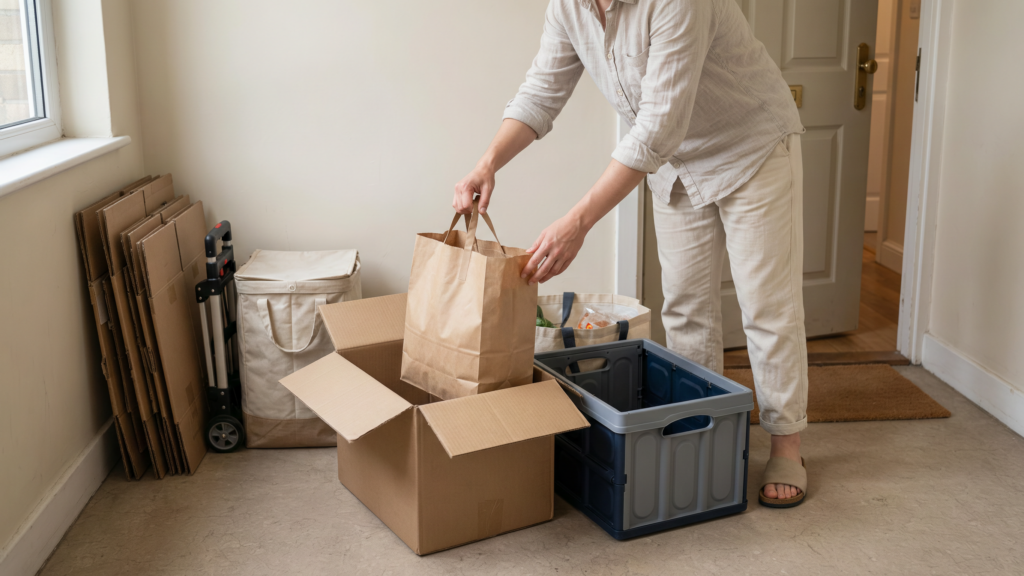
Table of Contents
Why Do I Have Cockroaches in a Clean Home in Dubai? 7 Real Causes
You wipe the counters, take out the bin every night, never leave dishes in the sink and still, one evening, a cockroach runs across the kitchen floor. It feels unfair, and it’s easy to feel embarrassed. But cockroaches in a clean home are far more common than most people admit, and they almost never mean you’ve done something wrong.
Cockroaches don’t come because a home is dirty. They come because they’ve found water, warmth, shelter and a way in. In Dubai, where buildings share pipes, risers and drains, summers are hot and humid and air conditioning keeps homes cool, those conditions are easy to find. This guide explains the seven real reasons you might have cockroaches in a clean home, how to tell which one applies to you, what to do about each and when it’s time to call a professional.
First, a Reassurance
An infestation is not a verdict on your housekeeping. Immaculate flats and spotless villas get cockroaches too, because:
- They travel through buildings: not just through doors
- They survive on very little: including crumbs, grease films, cardboard glue, soap, paper and pet food
- They prefer hiding places you can’t clean: such as behind appliances, inside walls and in pipework
- Water matters more than food: A tiny leak can sustain a colony
Good cleaning helps. But on its own it rarely solves a cockroach problem, and that’s why the seven causes below matter.
The Seven Real Causes
1. They’re Coming Through Shared Pipes, Ducts and Risers
What’s happening: In apartment buildings, kitchens and bathrooms are linked by shared risers, drains, ducts and service shafts. Cockroaches use them like roads. A problem in a neighboring flat, a restaurant on the ground floor or a communal bin room can reach your home without anyone ever opening a door.
Signs it’s this: You see them at night near pipes, under sinks, around bathroom drains or behind kitchen cabinets. Neighbors have the same problem. The problem keeps returning even though you keep your flat spotless.
What helps
- Seal gaps around pipes, cables and ducts with suitable sealant or mesh
- Fit tight-fitting covers on floor drains and check that water seals are intact
- Tell your landlord or building manager, and ask whether neighboring flats and common areas are being treated
- Ask a professional to treat the building’s shared risk points, not only your flat
2. They Hitched a Ride on Boxes, Groceries, Furniture or Luggage
What’s happening: Cockroaches, and especially their egg cases, travel on cardboard, grocery bags, delivery packaging, second-hand furniture, appliances and luggage. German cockroaches in particular spread this way, and a single egg case can release dozens of young.
Signs it’s this: The problem began soon after a move, a delivery, a second-hand purchase or a trip. You see small, light-brown cockroaches near the kitchen or bathroom.
What helps
- Unpack delivery boxes outdoors or in the lobby, and break down cardboard promptly rather than storing it
- Don’t keep stacks of cardboard, paper bags or newspapers in the kitchen or store room
- Inspect second-hand furniture, appliances and mattresses before bringing them in
- Check luggage and bags after travel
- Transfer groceries out of cardboard and paper packaging if you see signs of activity
3. There’s Water or Humidity You Haven’t Noticed
What’s happening: Cockroaches need water more than food. Slow leaks under sinks, dripping pipes, damp cabinets, AC condensate lines that overflow, wet bathroom floors and dishwashers or washing machines that sweat provide it. Dubai’s humidity and cool, damp spots behind appliances help.
Signs it’s this: The infestation is concentrated in the kitchen, bathroom, laundry or around the AC. You notice damp smells, water stains or peeling paint near cabinets.
What helps
- Fix dripping taps and leaking pipes, and dry the cupboard under the sink
- Check AC condensate drains and drip trays for blockages and pooling
- Wipe down damp surfaces and keep the bathroom ventilated
- Don’t leave wet cloths or mop heads in cupboards
- Check behind the washing machine and dishwasher for leaks
4. They Have Hiding Places You Can’t See
What’s happening: Cockroaches love tight, warm, dark spaces. They squeeze into cracks as thin as a coin: gaps behind skirting boards, behind kitchen cabinets and tiles, in cupboard hinges, around pipe collars and inside appliances such as fridges, cookers, microwaves, dishwashers and coffee machines, where motors keep things warm.
Signs it’s this: You see them emerging from under the fridge, behind the cooker or from the edges of cabinets. Dark specks (droppings that look like ground pepper) collect in cabinet corners and along the back of drawers.
What helps
- Seal cracks and gaps with suitable filler or sealant
- Pull appliances out occasionally, clean behind and under them, and check for grease build-up
- Keep cupboards uncluttered, so you can see into corners
- Ask a professional to treat hidden harborage areas with targeted products, since sprays on visible surfaces won’t reach them
5. There’s Invisible Food You Can’t See
What’s happening: A home can look spotless and still hold plenty of cockroach food. Cockroaches eat crumbs in toasters, grease films behind and around the cooker, residue under the dish rack, pet food, soap, hair, glue from cardboard and the film on bins and drains.
Signs it’s this: Activity clusters around the kitchen, bins, the pet’s feeding area or under the sink.
What helps
- Clean the back of the cooker, the extractor and the cabinet fronts for grease films
- Empty and clean the toaster, microwave and coffee machine regularly
- Store dry food, sugar and pet food in sealed containers, and don’t leave pet bowls out overnight
- Wash the bin itself, not just the bag, and use a lidded one
- Rinse recycling and keep it out of the kitchen
6. They’re Coming Up Through Drains and Sewer Connections
What’s happening: Larger cockroaches, such as American cockroaches, live in drains, sewers and warm, damp service spaces and can enter through floor drains, balcony drains and bathroom or kitchen waste pipes, especially if a water seal has dried out or a drain cover is missing or loose.
Signs it’s this: You see large cockroaches near floor drains, in the bathroom or on the balcony, often at night or after rain. The infestation seems to come from nowhere, with little sign inside cupboards.
What helps
- Pour water into rarely used floor drains regularly, so the water seal doesn’t dry out
- Fit secure, close-fitting drain covers or grates
- Keep balcony drains clear
- Clear blockages and fix slow drains promptly- see our guides to restaurant drain blockages and CCTV drain survey and jetting if you run a kitchen
- Ask a professional to treat drains and entry points
7. Sprays, Neighbors’ Treatments and DIY Mistakes Are Pushing Them Around
What’s happening: Many people respond to the first sighting with a household spray or a fogger. Repellent sprays can scatter cockroaches deeper into walls or into neighboring flats, so the problem looks like it’s gone, then returns. In the same way, when a neighbor treats their flat, cockroaches can move into yours. Partial treatment, missed hiding places and treatments that don’t match the species all let populations recover.
Signs it’s this: The problem seems to improve and then come back. It’s moved to a different room. Neighbors have recently had treatment.
What helps
- Avoid fogging and repellent sprays in the kitchen and around food
- Don’t treat only the visible area, because cockroaches in the walls and shared spaces will recover
- Coordinate with neighbors and building management when possible, so treatment is done together
- Choose a licensed professional who uses targeted baits and treatment matched to the species, with follow-up visits
How to Tell What You’re Dealing With
| Species | What It Looks Like | Where You’ll See It | What It Often Suggests |
|---|---|---|---|
| German cockroach | Small (around 1 to 1.5 cm), light brown with two dark stripes behind the head | Kitchens, bathrooms, behind appliances, in cupboards | An indoor population, often introduced on cardboard or by neighbors, breeding quickly |
| American cockroach | Large (3 to 4 cm or more), reddish-brown | Drains, bathrooms, balconies, basements, ground floors | Entry from drains, sewers or damp service areas |
| Other large species | Dark brown to black, glossy | Near drains, gardens, outdoor bins and ground-level entrances | Outdoor harborage or drainage entry |
A professional can identify the species, which changes the treatment.
Signs of a Bigger Problem
- Cockroaches in daylight: Seeing them during the day often means the hiding places are crowded, so the population is large.
- Droppings that look like pepper or coffee grounds: particularly in cupboards and drawers
- Smear marks and a musty, oily smell
- Egg cases (oothecae): small brown capsules in dark corners
- Shed skins and dead cockroaches
- Sightings in several rooms: not just the kitchen
- Cockroaches that return soon after DIY treatment
If you notice several of these, it’s time to call a professional.
What to Do Right Now: A Simple Plan
- Don’t panic and don’t fog: Avoid sprays or foggers that scatter them.
- Find the pattern: Note where and when you see them, and take photos.
- Fix water: Repair leaks, dry surfaces and clear condensate lines.
- Remove cardboard and clutter: from kitchens and storage areas.
- Seal food: and take out waste daily.
- Clean thoroughly: including behind appliances and inside cupboards.
- Use monitoring traps: (sticky traps placed along walls and behind appliances) to see where activity is heaviest, and keep them out of reach of children and pets.
- Report it: to your landlord or building manager in writing, with dates and photos.
- Call a licensed professional: if the signs persist or the problem returns. Our guide to who pays for pest control in the UAE explains how responsibility is usually divided between landlords and tenants.
What Professional Treatment Involves
A good provider will:
- Inspect and identify: the species and the source, including hidden harborage, drains and entry points
- Explain the plan: the products and the written re-entry time- see our guide to how long after pest control you can return home.
- Use targeted treatment: such as gel baits, crack-and-crevice application, drain treatment and growth regulators, rather than broad spraying
- Advise on proofing: such as sealing gaps and fixing leaks
- Follow up: because eggs hatch over time and one visit rarely finishes the job
- Coordinate with the building: where neighbors or shared areas are involved
- Give you a written report: and a prevention plan
Preventing Cockroaches in a Clean Home
- Keep water under control: fix leaks, dry sinks and check AC drains
- Seal entry points: pipes, skirting gaps, cabinet edges and drains
- Store food and pet food in sealed containers
- Break down and remove cardboard promptly
- Clean behind and under appliances: regularly
- Take waste out daily: and keep bins clean and lidded
- Run water in unused drains: every week or two
- Inspect second-hand items and luggage
- Schedule seasonal checks– see our guide to seasonal pest control tips for UAE homeowners.
- Act early: when you see the first one
Cockroaches in Different Types of Home
| Home Type | Typical Causes | Priorities |
|---|---|---|
| Apartment | Shared pipes and risers, neighbors, communal bin rooms, balcony drains | Seal gaps, coordinate with building management, treat drains |
| Villa | Garden and outdoor harborage, drains, garage and utility areas, irrigation moisture | Clear vegetation near walls, check drains and storage areas, seasonal treatment |
| Townhouse or compound home | Shared walls and communal landscaping | Coordinate with neighbors and management |
| Rented flat | Pre-existing problems, neighboring units | Document at move-in, report quickly and in writing |
| Home with a kitchen extension or outdoor kitchen | Warmth, food and outdoor access | Strict food storage, sealed bins and drainage checks |
Stop Them at the Source
Cockroaches in a clean home are a sign that something is feeding, sheltering or admitting them, not that you’ve failed. Find the water, seal the gaps, remove the cardboard, deal with the drains, coordinate with neighbours and use targeted professional treatment rather than repeated sprays, and the problem can be solved for good.
Book a free inspection today. Blue Diamond team licensed technicians will find where your cockroaches are coming from, explain what they find in plain language and give you a clear written plan and quotation, for apartments and villas anywhere in Dubai.
Contact our team to book your pest control Service in UAE appointment
📞 Call us now | 📩 Request a free inspection | 📍 Serving all of Dubai & the UAE
Need a professional touch?
Don’t wait until pests take over—stay one step ahead with Blue Diamond’s pest control.
 contact@bluediamondfm.com
 +971 56 705 4223
 https://pestcontrolservicesuae.com/
Does having cockroaches mean my home is dirty?
No. Cockroaches are drawn by water, warmth, shelter and access, and they travel through shared pipes and on cardboard and packaging. Even spotless homes can have them. Good cleaning helps, but it doesn’t remove every cause.
Can cockroaches really come up through drains?
Yes. Larger species such as American cockroaches live in drains and sewers and can enter through floor drains, balcony drains and waste pipes, especially if a water seal has dried out or a cover is missing. Running water in unused drains and fitting secure covers helps.
Why do I see cockroaches during the day?
Cockroaches are mostly nocturnal. Daytime sightings usually mean the hiding places are crowded, so the population is large. It’s a good reason to call a professional.
Why do cockroaches keep coming back after treatment?
Usually because the source wasn’t dealt with. Hidden harborage, a shared building problem, a single treatment without follow-up, or repellent sprays that scatter rather than eliminate them can all allow a recovery. Ask for a follow-up visit and building-wide coordination.
Can I get rid of cockroaches myself?
Minor, early sightings can sometimes be managed by fixing water problems, removing cardboard, sealing food and cleaning thoroughly. For established infestations, particularly in apartments, professional baiting, drain treatment and follow-up are usually faster and more effective than store-bought sprays.
Frequently Asked Questions (FAQs)
Share this
Book Your
Service In
30 Seconds
- 31 years of experinece
- Served 40,000+ clients across UAE
- Dubai Municipality Approved
- Eco - friendly products safe for All
- Cost Effective
- 24/7 Customer support