
Pigeon & Bird Control for Balconies & Buildings in Dubai
- Pest_Control
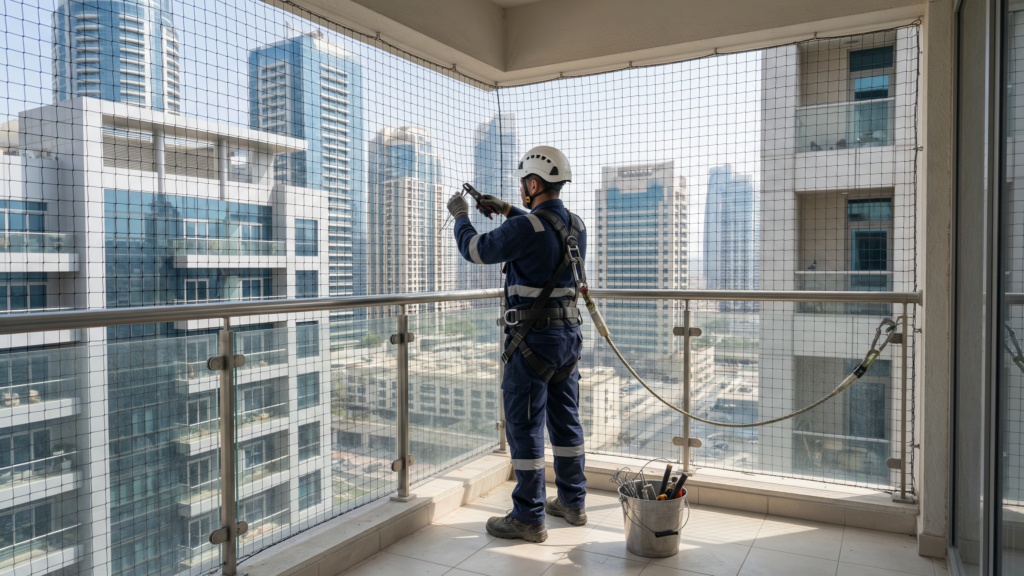
Table of Contents
Pigeon & Bird Control for Balconies and Buildings in Dubai
It starts with a few feathers on the balcony rail. Then a pair of pigeons settles on the AC ledge, droppings stain the floor and the glass, a nest appears behind the outdoor unit and the cooing begins at five in the morning. Within weeks, a quiet balcony has become a roost, and what looked like a small nuisance is now a cleaning bill, a smell and a health concern.
In Dubai, pigeon & bird control is a growing issue for tenants, owners and building managers alike. Towers offer endless ledges and sheltered corners, balconies are warm and quiet, food is easy to find and water is never far away. This guide explains why birds settle on balconies and buildings, what risks they bring, which humane solutions actually work, who is responsible for what and how to choose a provider that does the job properly the first time.
Why It Matters?
Birds are not the enemy, but a roost on your balcony or façade creates real problems:
- Droppings: stain tiles, glass, furniture, paint and cladding, and acidic waste can damage surfaces over time
- Health concerns: Dried droppings, nests and feathers can carry bacteria, fungi and parasites, and the dust can be harmful to breathe, particularly for children, older people and anyone with a respiratory condition
- Blocked drains, gutters and AC outlets: caused by nesting material and droppings
- Noise and odor: from large groups, particularly at dawn and dusk
- Slip hazards: on wet droppings
- Fire and electrical risks: when nests build up around cables, lights and equipment
- Rooftop and plant-room damage: to insulation, cabling and solar panels
- Reputation costs: for hotels, restaurants, offices and residential towers where birds and droppings are visible
Effective pigeon & bird control protects health, property and appearance, and it does so without harming the birds.
The Real Reasons Birds Settle on Your Balcony or Building
1. Your Balcony or Ledge Offers Shelter
Pigeons look for flat, sheltered, elevated spots that mimic cliff ledges. Balcony corners, AC platforms, window sills, façade recesses, signage, cornices and the tops of pillars are ideal. Shade matters in Dubai’s heat, and covered balconies give relief from sun, wind and rain.
Birds return to the same spot every day, usually at dawn or in the evening, and leave droppings in a clear pattern below it.
What helps?
- Make flat ledges unusable with angled slopes, spikes or tracks
- Close off recesses and gaps that birds can step into
- Don’t leave boxes, furniture or covers that create hiding places
2. They’ve Found Nesting Spots
Pigeons, mynah, sparrows and doves nest in sheltered corners, behind AC units, in ducts, in roof voids and inside unused balconies. Birds that nest once tend to return to the same spot year after year, and nesting spreads quickly if left alone.
You see twigs, feathers, eggs or chicks. Birds carry material to the same place repeatedly. There is a steady stream of droppings beneath a single point.
What helps?
- Have nests removed safely and hygienically by a professional, particularly if droppings are present
- Don’t disturb active nests with eggs or chicks without taking advice, because some species are protected in the UAE
- Once cleared, proof the spot so birds can’t return
3. There’s Food Nearby
Birds follow food. Open waste bins, spilled takeaway, café and restaurant terraces, outdoor dining areas, pet food, bird seed and, above all, people feeding them all draw pigeons and mynas to a building. Feeding birds may seem kind, but it builds populations that nobody can sustain and creates the very problem residents then complain about- you can check our guide to Pest Control for Restaurants in UAE for more details.
Birds gather at specific times, such as when someone puts out food or when bins are emptied. Neighbors feed them from balconies or the street.
What helps?
- Stop feeding birds, and ask neighbors and building management to do the same
- Use lidded bins and clear crumbs and leftovers from balconies and terraces promptly
- Keep pet food indoors
- Check your building’s rules and Dubai Municipality guidance on feeding birds
4. Water and Warmth Are Easy to Find
AC drip trays, condensate pipes, planters, leaking taps and puddles on flat roofs provide water in a dry climate. Warm air from outdoor AC units and ducts is an extra attraction in cooler months.
Birds gather around AC units, drains or planters, and droppings concentrate on those areas.
What helps?
- Fix leaks and standing water on balconies and roofs
- Guard or cover AC platforms with suitable mesh or proofing
- Avoid leaving open water containers outside
5. The Space Is Quiet and Undisturbed
Birds prefer spaces with little human activity. Unused balconies, storage balconies, closed-off terraces, empty flats and the roofs of unoccupied buildings quickly become roosts.
Birds appear after you travel, after a tenant moves out or when a balcony is left unused for a few weeks.
What helps?
- Use or visit the balcony regularly
- Proof empty properties before long absences
- Ask building management to inspect empty units and roof areas
6. The Building Design Invites Them
Modern façades have ledges, recesses, cladding gaps, signage, gutters, parapets, solar panels and plant rooms, all of which suit birds. Buildings with open car parks, atriums and podiums are also attractive, because birds nest in rafters and beams.
Birds repeatedly settle on the same architectural features, in several flats or across floors.
What helps?
- Have a professional survey the building and identify the high-risk areas
- Use proofing designed for the structure: netting, slopes, spikes, tracks and mesh
- Plan for solar panel proofing and rooftop protection
7. Past Control Attempts Moved Them, Not Stopped Them
Many people try cheap sprays, reflective discs, plastic owls or loose netting. These often fail, because pigeons get used to them quickly, or they simply move the birds to a neighbor’s balcony or the next floor. Poorly fitted netting can also trap and injure birds, which is a welfare problem and a reputational one.
The problem improves for a week or two and then returns, or shifts to a different part of the building.
What helps?
- Choose physical exclusion, not scare tactics alone
- Coordinate with neighbors and building management so birds aren’t just displaced
- Use correctly installed, taut netting with the right mesh size
- Follow up with inspections and maintenance
Common Birds Causing Problems in Dubai
Common Birds Causing Problems in Dubai
Bird | What It Looks Like | Where You’ll See It | What It Often Means |
|---|---|---|---|
Feral pigeon (rock dove) | Grey with darker wing bars, iridescent neck | Balconies, ledges, AC platforms, rooftops, car parks | Roosting and nesting on sheltered ledges, often fed by residents |
Common myna | Brown with a yellow eye patch and beak | Balconies, trees, outdoor dining areas, bins | Food scraps, nesting in gaps and ducts, noise |
House sparrow | Small, brown and grey | Roof voids, façade gaps, restaurant terraces | Nesting in small cavities, feeding on crumbs |
House crow | Black with a grey neck | Bins, rooftops, outdoor areas | Waste access, noisy flocks, aggressive near nests |
Doves | Slimmer than pigeons, softer colors | Balconies, gardens, AC units | Quiet nesting spots, often returning to the same place |
Bright green with a red beak | Trees, balconies, rooftops | Nesting in cavities, noise, damage to soft materials |
Identifying the species matters because behaviour and legal protection vary. A professional can recommend the right method for each.
Signs You Need Pigeon & Bird Control
- Droppings: on floors, railings, glass, AC units, cars or walkways
- Nests, twigs or feathers: on ledges, AC platforms and in corners
- Birds perching in the same place: every day
- Noise: such as cooing, scratching or chirping at dawn, dusk or in the roof
- Blocked gutters, drains or AC outlets
- Stains and corrosion: on façades, paint and balcony tiles
- Mites or insects: around nesting areas
- Odor: from accumulated droppings
- Complaints from residents: neighbors or guests
What to Do Right Now: A Simple Plan
- Don’t feed birds: and ask neighbours and management not to.
- Don’t disturb active nests with eggs or chicks: Take advice first.
- Clean safely: Wear gloves and a mask, dampen dried droppings before wiping so dust doesn’t rise and dispose of waste in sealed bags. For large accumulations, use a professional.
- Remove food and water sources: lidded bins, no leftovers, fixed leaks.
- Clear clutter: from balconies where birds can hide or nest.
- Photograph the problem: and note where and when birds appear.
- Tell your landlord or building manager in writing: if the issue involves the façade, common areas or shared balconies.
- Get a professional survey: before buying netting or spikes. The right solution depends on the species and the structure.
- Plan for maintenance: because proofing needs periodic inspection to stay effective.
Bird Control Methods Compared
Bird Control Methods Compared
Method | How It Works | Best For | Things to Know |
|---|---|---|---|
Bird netting | Physical barrier across balconies, recesses, courtyards and plant areas | Balconies, atriums, car parks, AC platforms | The most reliable method, but must be taut, correctly sized and properly fixed |
Bird spikes | Prevent landing on narrow ledges | Ledges, signage, sills, parapets | Effective on suitable surfaces, but gaps or debris can reduce results |
Slopes and ledge guards | Make flat surfaces unusable | Window sills, cornices, beams | Good for façades, designed to blend in |
Tracks (low-voltage or tension wire) | Discourages perching without harming birds | Ledges, rails, rooftops | Needs professional installation |
Make perching uncomfortable | Rails, beams, edges | Discreet, useful in heritage and design-sensitive areas | |
Gel and tactile deterrents | Surfaces birds avoid | Small ledges and sills | Short-term, require reapplication, not for every surface |
Visual and sound deterrents | Scare tactics | Short-term support only | Birds usually get used to them, so use alongside exclusion |
AC and solar panel proofing | Mesh around units and under panels | Rooftop and balcony equipment | Protects equipment, prevents nesting and fire risk |
Nest removal and cleaning | Removes nests and droppings safely | Before proofing | Professional work, particularly with large deposits |
The best results usually come from combining methods, such as cleaning, netting and spikes, rather than relying on one.
Balconies vs Buildings: What's Different
Property | Typical Problems | Priorities |
|---|---|---|
Apartment balcony | Pigeons roosting on rails and AC platforms, nests behind outdoor units, droppings on glass and furniture | Balcony netting or proofing, nest removal, cleaning, landlord and building approval |
Villa | Roof voids, terraces, pergolas, gutters, garden birds and nesting in eaves | Roof and eave proofing, gutter protection, clearing vegetation near walls |
Residential tower | Façade ledges, podium areas, plant rooms, car park beams, solar panels | A building-wide survey, a coordinated plan with management, rope-access or platform work |
Hotels, restaurants and cafés | Outdoor dining areas, terraces, bins, signage and guest-facing areas | Food management, discreet proofing, fast cleaning, reputation protection |
Offices and commercial buildings | Ledges, canopies, plant rooms, entrances and signage | Maintenance contract, façade and entrance proofing |
Warehouses and factories | Roof trusses, loading bays, open doors, food storage areas | Netting, proofing and hygiene compliance |
Who Is Responsible?
The answer depends on where the birds are and what your tenancy contract or building rules say:
- Inside your balcony or terrace: usually the tenant manages day-to-day cleaning and may need landlord approval for netting or fixings
- Façades, ledges, roofs and common areas: typically the owner, the owners’ association or building management
- Netting or fixings that change the appearance of a building: usually need written approval from the landlord and management, because façade rules are strict
- Damage caused by installation: discuss and agree responsibility in writing beforehand
If you rent, tell your landlord or property manager in writing, with photos, before installing anything. Confirm current rules with them and with the relevant authorities- our guide to Tenant vs Landlord Responsibility it explains more about the responsibilities .
What Professional Pigeon & Bird Control Involves
A good provider will:
- Survey the property and identify the species, roosting and nesting points, entry routes and food sources
- Explain the plan the materials and the timeline, with a written quote
- Remove nests and clean droppings safely using proper protective equipment and sealed waste disposal
- Install proofing correctly such as netting, spikes, slopes, tracks and mesh, matched to the structure
- Use humane methods only with no harm to birds and care around protected species
- Work safely at height with trained staff and appropriate access equipment
- Minimise visual impact with discreet, well-finished work
- Provide a warranty and maintenance options
- Give you a written report with photos and recommendations
Preventing Birds From Returning
- Never feed birds: and encourage neighbors to stop
- Keep balconies in use: and free of clutter
- Use lidded bins: and clear food scraps quickly
- Fix leaks and standing water
- Clean droppings promptly: and safely
- Proof ledges, AC platforms and gaps: before birds nest
- Inspect netting and spikes regularly: for gaps, tears and debris
- Check the roof and plant rooms: each season
- Schedule annual inspections: for towers and commercial buildings
- Act early: at the first signs of roosting
Take Your Balcony and Building Back
Pigeons and other birds settle where there is shelter, food, water and quiet. Remove what attracts them, clean safely, use the right exclusion method for the structure and keep up regular inspections, and pigeon & bird control can protect your health, your property and your building’s reputation without harming a single bird.
Book a free survey today with Blue Diamond team. Our licensed team will inspect your balcony, villa or building, explain what is attracting the birds and give you a clear written plan and quotation, for homes and buildings across Dubai and the UAE.
Contact our team to book your pest control Service in UAE appointment
📞 Call us now | 📩 Request a free inspection | 📍 Serving all of Dubai & the UAE
Need a professional touch?
Don’t wait until pests take over—stay one step ahead with Blue Diamond’s pest control.
 contact@bluediamondfm.com
 +971 56 705 4223
 https://pestcontrolservicesuae.com/
Is it legal to remove pigeons or bird nests in Dubai?
Pigeons and other birds can be managed through humane exclusion and proofing, and many birds are not protected. However, some species and active nests with eggs or chicks may be protected under UAE law, so take advice from a licensed provider before disturbing nests and avoid harming birds.
Can I put bird netting on my rented balcony?
You need written permission from your landlord, and often from building management, because netting changes the appearance of the façade. Ask for approval before installation and agree who handles removal at the end of the tenancy.
Are pigeon droppings dangerous?
Dried droppings, nests and feathers can carry bacteria, fungi and parasites, and the dust can be harmful to breathe. Wear gloves and a mask, dampen droppings before wiping and use a professional for large deposits.
Do bird spikes and netting harm birds?
Correctly installed netting and spikes are designed to stop birds landing or entering, not to injure them. Poorly fitted or loose netting can trap birds, which is why professional installation matters.
Why do pigeons keep coming back after I clean?
Because the cause is still there. Ledges, nesting spots, food, water and the scent of previous roosting all draw birds back. Cleaning and proofing together, plus stopping feeding, is what makes the difference.
Frequently Asked Questions (FAQs)
Share this
Book Your
Service In
30 Seconds
- 31 years of experinece
- Served 40,000+ clients across UAE
- Dubai Municipality Approved
- Eco - friendly products safe for All
- Cost Effective
- 24/7 Customer support