
How Cockroach Infestations Affect Health and Hygiene
- Pest_Control
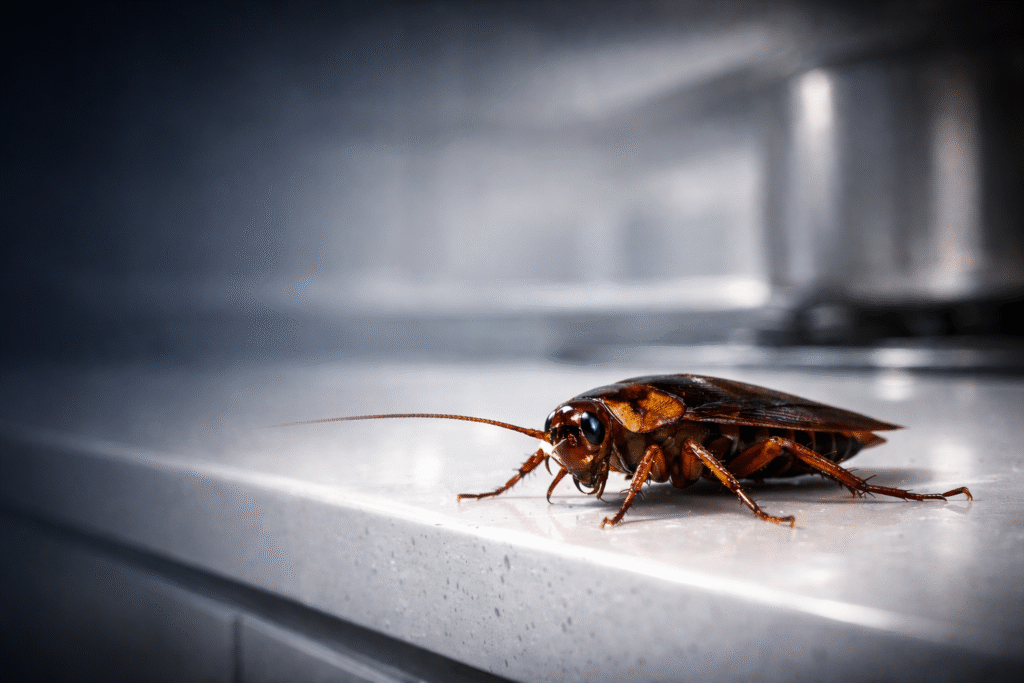
Table of Contents
Introduction
Cockroach infestations are more than just an unsettling nuisance — they represent a genuine threat to the health and hygiene of any home or business. These resilient insects thrive in warm, humid environments and can multiply rapidly once they establish a foothold. Understanding the risks they pose is the first step toward protecting your household.
1. The Link Between Cockroaches and Disease
Cockroaches are known carriers of more than 30 different types of bacteria, including Salmonella and E. coli. As they travel through kitchens, bathrooms, and waste areas, they pick up pathogens on their legs and bodies and deposit them on food preparation surfaces, utensils, and stored food.
The diseases most commonly associated with cockroach activity include:
- Salmonellosis — spread through contaminated food and surfaces
- Dysentery — causing severe gastrointestinal distress
- Typhoid fever — linked to cockroach contact with sewage
- Gastroenteritis — from ingesting bacteria deposited on food
Cockroach infestations in kitchens or food storage areas can therefore pose a significant public health risk, particularly for households with young children, the elderly, or immunocompromised individuals.
2. Allergies and Respiratory Problems
One of the less obvious but highly impactful consequences of cockroach infestations is their effect on indoor air quality. Cockroach saliva, shed skin (exoskeletons), and droppings all contain proteins that act as potent allergens.
When these particles become airborne and are inhaled, they can trigger:
- Chronic sneezing, runny nose, and nasal congestion
- Skin rashes and eczema flare-ups
- Eye irritation and watering
- Asthma attacks — particularly in children
Research has shown that cockroach allergens are a leading cause of asthma in urban areas. Prolonged exposure — common during ongoing cockroach infestations — can worsen symptoms over time and make asthma harder to manage even with medication.
3. Food Contamination and Hygiene Breakdown
Cockroaches are primarily nocturnal scavengers. They seek out food remnants, grease, and organic matter throughout the night. In doing so, they contaminate food supplies simply by walking across open packaging, stored goods, and preparation areas.
Signs that cockroaches have compromised your food hygiene include:
- Small dark droppings resembling coffee grounds on shelves or counters
- A musty, oily odour in cupboards or behind appliances
- Gnaw marks on food packaging
- Smear marks along skirting boards or walls
For commercial kitchens and food businesses, even a minor cockroach infestation can result in failed health inspections, reputational damage, and potential closure orders. Maintaining strict hygiene is not enough on its own — active pest control measures are essential.
4. Psychological and Social Impact
Beyond physical health, living with a cockroach infestation takes a significant psychological toll. The stress and anxiety of knowing cockroaches are present in a home can disrupt sleep, reduce quality of life, and cause embarrassment that leads to social withdrawal. Families may avoid hosting guests or feel a sense of shame that compounds the emotional burden.
Addressing the problem promptly — rather than attempting ineffective DIY solutions — is the most effective way to restore both physical safety and peace of mind.
5. What You Should Do
If you suspect or have confirmed cockroach infestations in your property, professional pest control is strongly recommended. Trained technicians can:
- Accurately identify the species and extent of the infestation
- Apply targeted treatments that reach harbourage areas DIY products cannot
- Advise on structural and hygiene improvements to prevent re-entry
- Provide follow-up inspections to ensure complete eradication
Early intervention is key. The longer cockroach infestations are left untreated, the larger and more entrenched the colony becomes — and the greater the health risks to your household.
Conclusion
Cockroach infestations are a serious health hazard that no property owner should ignore. From spreading harmful bacteria and triggering respiratory conditions to contaminating food and affecting mental wellbeing, the consequences of leaving an infestation untreated can be far-reaching. The sooner the problem is addressed, the safer and healthier your home or workplace will be. If you suspect cockroaches on your property, don’t wait — contact a professional pest control expert today and take back control of your space.
Need a professional touch?
Don’t wait until pests take over—stay one step ahead with Blue Diamond’s pest control.
 contact@bluediamondfm.com
 +971 56 705 4223
 https://pestcontrolservicesuae.com/
How do I know if I have a cockroach infestation?
Common signs include droppings (small dark specks), a musty smell, shed skins, egg casings, and sightings of live or dead cockroaches — particularly at night in kitchens and bathrooms.
Can cockroaches make you ill even if you don't see them?
Yes. Cockroach allergens and bacteria can be present on surfaces and in the air even when the insects themselves are hidden. This is why persistent unexplained allergies or respiratory issues can sometimes be traced back to a hidden infestation.
Are over-the-counter sprays enough to eliminate cockroaches?
Retail sprays may kill individual cockroaches on contact but rarely eliminate an entire colony. Professional pest control treats the root harbourage areas and uses methods tailored to the specific species involved.
How quickly can cockroaches spread through a property?
Under favourable conditions, a single pair of cockroaches can produce hundreds of offspring within a few months. This rapid reproduction is why early treatment is critical.
Is it safe to stay in my home during treatment?
This depends on the treatment method used. Your pest control technician will advise you on any necessary precautions, including temporary vacating of treated rooms or the property.
Frequently Asked Questions (FAQs)
Share this
Book Your
Service In
30 Seconds
- 31 years of experinece
- Served 40,000+ clients across UAE
- Dubai Municipality Approved
- Eco - friendly products safe for All
- Cost Effective
- 24/7 Customer support
Check out our Recent Blogs
Why Annual Pest Control Contracts Are Worth It
Table of Contents Introduction Annual pest control contracts are one of the smartest investments a homeowner or business owner can...
How Cockroach Infestations Affect Health and Hygiene
Table of Contents Introduction Cockroach infestations are more than just an unsettling nuisance — they represent a genuine threat to...

