
The Hidden Dangers of Ignoring Pest Infestations
- Pest_Control

Table of Contents
Introduction
Pest infestations are more than just an inconvenience. Whether you have spotted a single cockroach in the kitchen, noticed gnaw marks along your skirting boards, or discovered a trail of ants crossing your pantry, these signs almost always point to a larger, hidden problem. Far too many homeowners and business owners make the mistake of brushing off early warning signs, convinced the issue will resolve itself. It will not. The longer pest infestations are left untreated, the more severe — and costly — the consequences become. In this blog, we explore the real dangers lurking behind that decision to ignore the problem.
1. Structural Damage That Compounds Over Time
One of the most devastating consequences of untreated pest infestations is the destruction they cause to the physical structure of your property. Termites, for example, can hollow out load-bearing beams and floor joists within months. Rats and mice chew through electrical wiring, insulation, and plumbing — creating fire hazards and water damage simultaneously. Wood-boring beetles can compromise the integrity of roof timbers before you ever notice a single insect.
Structural repairs resulting from prolonged pest infestations routinely run into the tens of thousands of dollars. In contrast, early professional pest control intervention costs a fraction of that amount. The mathematics are simple: acting early saves money and prevents irreversible property damage.
2. Serious Health Risks for You and Your Family
Pest infestations introduce a wide range of health hazards into your living or working environment. Rodents carry diseases such as Hantavirus, Leptospirosis, and Salmonella. Cockroaches are known triggers for asthma and allergies, particularly in children, as their shed skins and droppings contaminate air and surfaces. Fleas can transmit tapeworms and Bartonella. Mosquito breeding colonies increase the risk of Dengue, Ross River Fever, and other serious viral illnesses.
The health risks are not limited to bites and direct contact. Pest infestations contaminate food preparation areas, stored produce, and drinking water. The danger grows exponentially the longer the infestation is allowed to persist and spread.
⚠ Health Alert: The World Health Organization links vector-borne diseases spread by common household pests to over 700,000 deaths annually worldwide. Do not underestimate pest infestations in your home or workplace.
3. Financial Fallout: A Problem That Grows Faster Than You Think
Ignoring pest infestations is never financially neutral. The cost of inaction escalates rapidly. Infestations that could have been resolved with a single treatment expand to require multiple sessions, fumigation, or full-scale structural remediation. Business owners face additional exposures: regulatory fines, forced closures, and reputational damage that can permanently affect customer trust.
Property values also take a measurable hit. Real estate inspections routinely flag evidence of past or present pest infestations — reducing sale prices or derailing transactions entirely. Insurance policies commonly exclude pest-related damage from coverage, meaning you absorb the full financial burden personally.
4. The Hidden Psychological Toll
Living or working alongside pest infestations takes a genuine psychological toll that is often underestimated. The constant awareness of an infestation — the sounds at night, the contaminated food, the worry about guests discovering the problem — generates chronic stress. For families with young children or elderly members, the anxiety around health risks intensifies this further. Addressing pest infestations promptly restores peace of mind and the comfort of a healthy, safe environment.
5. Why DIY Solutions Fall Short
Supermarket sprays, ultrasonic repellers, and home remedies may offer temporary relief, but they rarely address the source of pest infestations. Colonies simply relocate within the structure, breed in untreated areas, and return — often in greater numbers. Professional pest control technicians conduct thorough inspections, identify entry points, treat breeding sites, and implement strategies tailored to the specific pest species involved.
When it comes to pest infestations, the expertise of a licensed professional is not a luxury — it is a necessary investment in the protection of your property and the people within it.
Conclusion
Pest infestations don’t disappear on their own — they grow, spread, and cause damage that becomes harder and more expensive to reverse with every passing day. The risks to your property, your health, and your finances are simply too significant to ignore.
Early action is always the smartest move. If you’ve noticed the warning signs, don’t wait. Contact a licensed pest control professional today and protect what matters most.
Need a professional touch?
Don’t wait until pests take over—stay one step ahead with Blue Diamond’s pest control.
 contact@bluediamondfm.com
 +971 56 705 4223
 https://pestcontrolservicesuae.com/
How quickly can a pest infestation get out of control?
Extremely quickly. A single pair of rats can produce up to 2,000 offspring in a year. Cockroach populations can double within weeks under favourable conditions. Most pest infestations reach critical levels within 3–6 months of the first signs appearing, which is why early intervention is always the recommended course of action.
Are pest infestations covered by home insurance?
In most cases, no. Standard home and contents insurance policies specifically exclude damage caused by pest infestations, classifying them as a maintenance issue rather than a sudden or accidental event. This makes professional prevention and early treatment even more financially important.
What are the most common signs of a pest infestation I should look for?
Key warning signs include droppings in cupboards or along walls, gnaw marks on food packaging or wiring, unusual scratching or scurrying sounds at night, damaged timber or hollow-sounding wood, nests made from shredded materials, unexplained bite marks on family members, and an unusual musty or ammonia-like odour. If you notice any of these signs, contact a licensed pest control professional promptly.
How often should I have my property professionally inspected for pest infestations?
For most residential properties, an annual inspection is the minimum recommendation. Properties in high-risk areas — such as regions with elevated termite activity, flood plains, or older timber-frame constructions — benefit from inspections every six months. Commercial food-handling premises should schedule quarterly inspections as standard practice.
Can pest infestations affect my business legally?
Yes. Businesses in the food service, hospitality, and childcare sectors are subject to strict health and safety regulations. A confirmed pest infestation can result in government-mandated closure, substantial fines, and legal liability if customers or employees are harmed. Proactive pest management is not just good practice — in many industries, it is a legal obligation.
Frequently Asked Questions (FAQs)
Share this
Book Your
Service In
30 Seconds
- 31 years of experinece
- Served 40,000+ clients across UAE
- Dubai Municipality Approved
- Eco - friendly products safe for All
- Cost Effective
- 24/7 Customer support
Check out our Recent Blogs
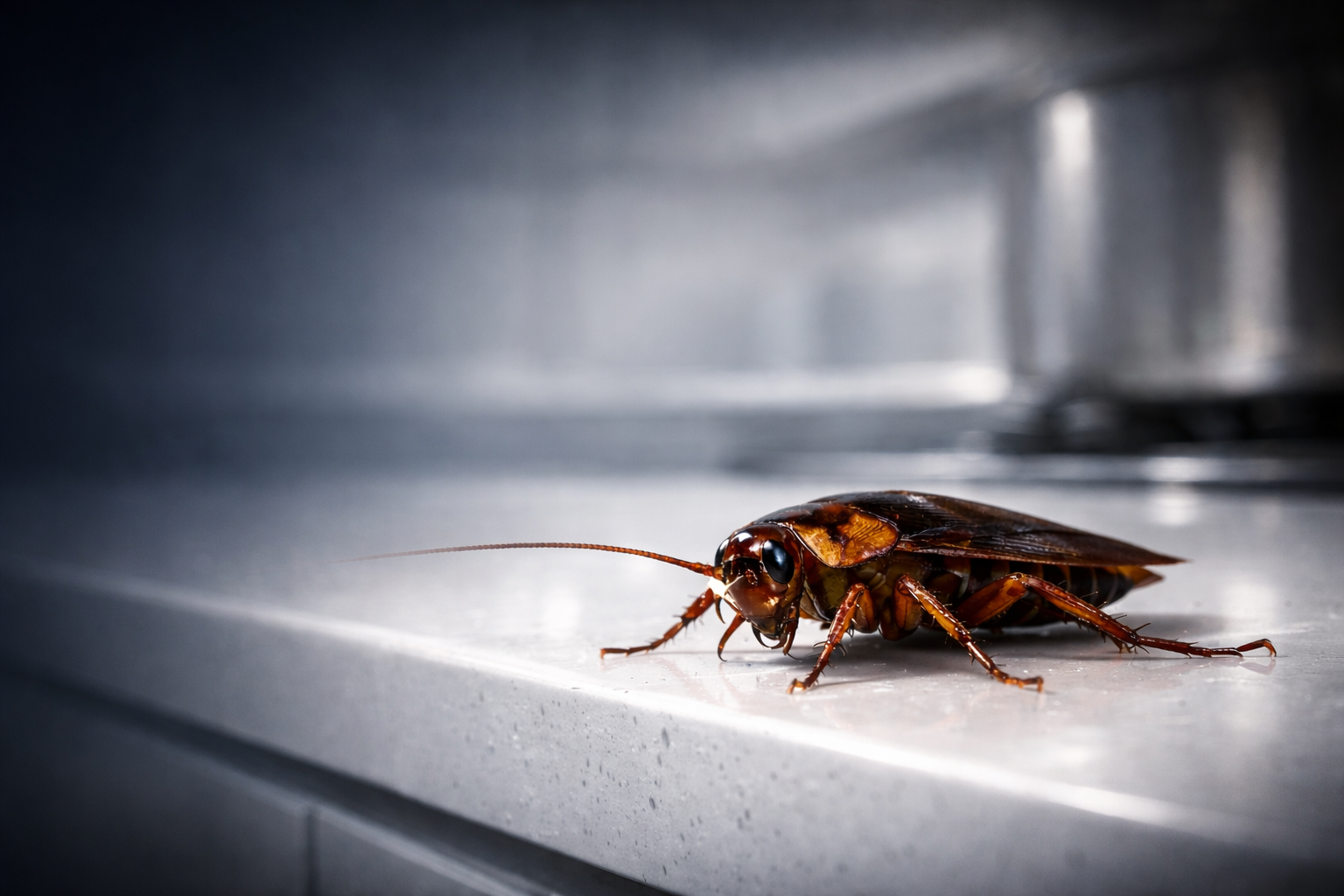
How Cockroach Infestations Affect Health and Hygiene
Table of Contents Introduction Cockroach infestations are more than just an unsettling nuisance — they represent a genuine threat to...
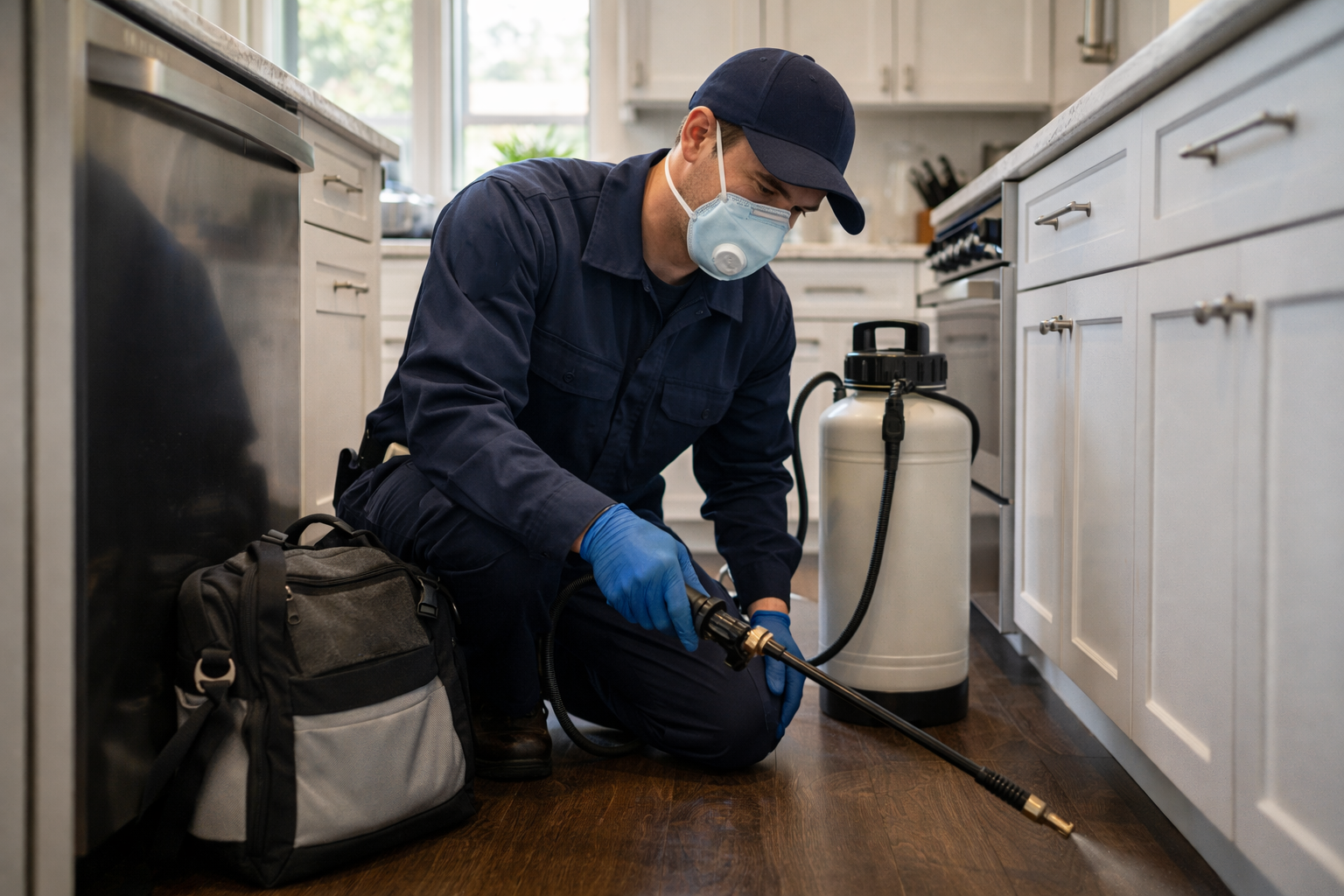
Why Professional Pest Control Is Essential for Homes and Businesses
Table of Contents Introduction Professional pest control is one of the most overlooked yet critical investments a property owner can...

