
How to Identify Termite Damage Before It Becomes Severe
- Pest_Control
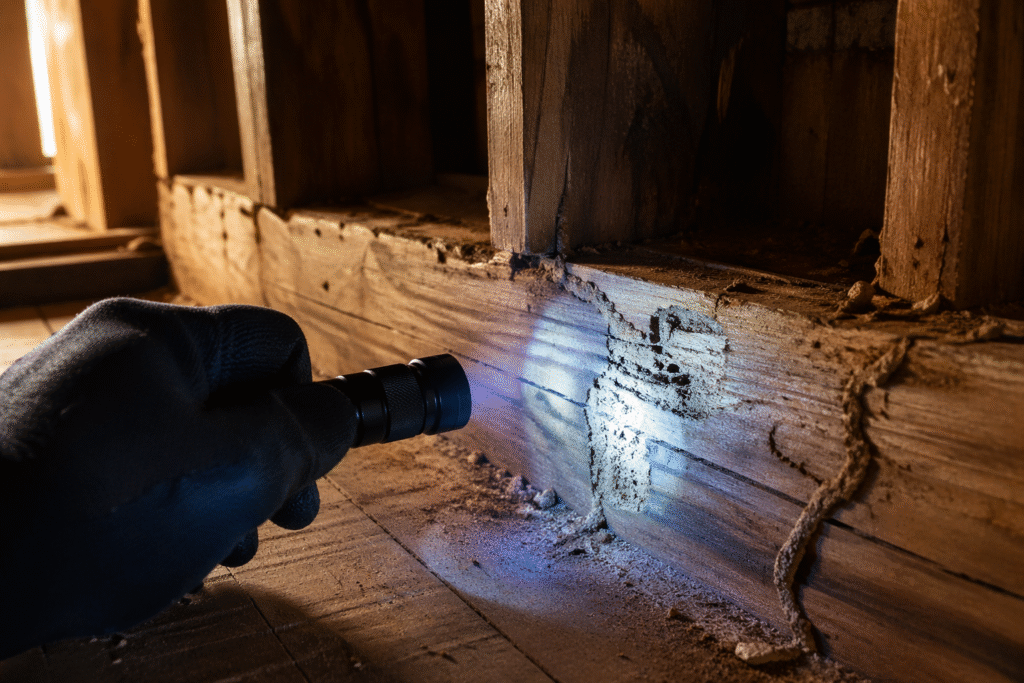
Table of Contents
Introduction
Termite infestations are one of the most financially devastating problems a homeowner can face — and one of the most preventable, when caught early.
Termite colonies work silently and steadily, consuming wood from the inside out. By the time most homeowners notice visible damage, thousands of dollars in structural harm may already be done. Understanding what to look for — and where to look — is the most powerful tool in protecting your property.
Why Early Detection Matters
A single termite colony can contain hundreds of thousands of insects, and they rarely stop eating. Left undetected, subterranean termites can compromise load-bearing beams, floor joists, and wall framing within just a few years. The key is catching the signs before the colony has had time to establish itself deeply within your structure.
Did you know? Termite damage costs U.S. homeowners an estimated $5 billion annually — and most standard home insurance policies do not cover it. Prevention and early detection are your first line of defence.
Six Warning Signs of Termite Activity
Knowing what to look for can save you thousands. Here are the most common early indicators of a termite problem:
Sign 01 — Mud Tubes Pencil-width tunnels of soil running along your foundation, walls, or crawlspace — a hallmark of subterranean termite activity.
Sign 02 — Hollow-Sounding Wood Tap on structural wood. A hollow or papery sound means the interior may have been eaten away, leaving only a thin shell.
Sign 03 — Discarded Wings Swarmers shed their wings after finding a new nest site. Piles of tiny wings near windowsills or doors are a serious red flag.
Sign 04 — Frass (Droppings) Drywood termites push their droppings out of small holes. Look for small, wood-coloured pellets near baseboards or furniture.
Sign 05 — Buckling Paint or Wallpaper Moisture produced during activity causes paint to bubble or wallpaper to peel — often mistaken for water damage.
Sign 06 — Stiff Doors and Windows As wood warps from damage and moisture, doors and window frames can become difficult to open or close properly.
Where to Inspect in Your Home
Effective termite inspections focus on areas where wood meets soil or moisture. Check your basement and crawlspace for mud tubes, soft wood, or unexplained cracks. Inspect your attic for damaged rafters and evidence of swarmers. Outside, examine the perimeter of your foundation, wooden decking, fence posts, and any wood mulch or firewood stored close to the building. Garage door frames and window trim are also common entry points.
Pay particular attention to areas following heavy rain. Termite colonies thrive in moist environments, and wet seasons often accelerate swarming activity, making post-rain inspections especially valuable.
What to Do If You Find Damage
If you spot any of these warning signs, do not delay. Document what you find with photos, avoid disturbing the area, and contact a licensed pest control professional as soon as possible. Early-stage termite treatment — whether through liquid barriers, bait systems, or fumigation — is significantly less expensive and disruptive than addressing full-scale structural damage.
Annual professional inspections are strongly recommended for homeowners in high-risk regions. A trained inspector has the tools and expertise to detect activity in areas that are invisible to the untrained eye, and can recommend a proactive protection plan tailored to your property.
Prevention Is Always Better Than Cure
Beyond inspections, there are several steps you can take to reduce your home’s vulnerability. Keep soil and mulch away from your foundation. Fix leaking pipes and ensure proper drainage around your home. Seal cracks in your foundation and exterior walls. Replace damaged or rotting wood promptly, and store firewood well away from the house. Reducing moisture and eliminating wood-to-soil contact are the most effective long-term deterrents against termite infestation.
With consistent vigilance and the support of a professional pest control partner, protecting your home from termite damage is entirely achievable — but it requires action before the damage becomes severe.
Conclusion
Termite damage is silent, fast-moving, and expensive — but entirely preventable when caught early. The warning signs are there if you know what to look for. Do not wait until the damage is visible to take action.
Make annual inspections part of your home maintenance routine and address any concerns the moment they arise. A small investment in prevention today can save you thousands in repairs tomorrow.
If you have spotted any of the signs covered in this guide, our Blue Diamond certified team is ready to help. Contact us today for a free, no-obligation inspection and protect your home before it is too late.
Need a professional touch?
Don’t wait until pests take over—stay one step ahead with Blue Diamond’s pest control.
 contact@bluediamondfm.com
 +971 56 705 4223
 https://pestcontrolservicesuae.com/
How do I know if I have an active infestation or old damage?
Fresh mud tubes that crumble and feel moist indicate active termite colonies. Old, dry tubes may be dormant. Only a professional inspection can confirm whether activity is current, as live termites often hide deep within the wood structure.
How long does termite treatment take?
Treatment time varies depending on the method and severity of the infestation. Liquid barrier treatments typically take a few hours, while bait systems require ongoing monitoring over several months. Fumigation requires residents to vacate for 24–72 hours. Your technician will advise on the best approach for your situation.
Can termite damage be repaired after treatment?
Yes. Once an infestation is fully treated and the area is declared clear, damaged wood can be repaired or replaced. Minor damage may be addressed with wood hardeners and fillers, while severe structural damage requires a licensed contractor to replace beams or framing.
Are some homes more at risk than others?
Yes. Homes in warm, humid climates are at higher risk, as are properties with wood-to-soil contact, poor drainage, or older construction. Homes with crawlspaces and those surrounded by heavy vegetation or mulch also face elevated risk and should be inspected more frequently.
How often should I have my home professionally inspected?
We recommend annual professional inspections for all homeowners, and twice-yearly inspections for homes in high-risk zones or with a prior history of infestation. Regular inspections are the single most effective way to catch problems early and keep treatment costs low.
Frequently Asked Questions (FAQs)
Share this
Book Your
Service In
30 Seconds
- 31 years of experinece
- Served 40,000+ clients across UAE
- Dubai Municipality Approved
- Eco - friendly products safe for All
- Cost Effective
- 24/7 Customer support
Check out our Recent Blogs

Best Pest Control Solutions for Restaurants in the UAE
Table of Contents Best Pest Control Solutions for Restaurants and Food Establishments in the UAE A single cockroach on a...

Blue Diamond: Leading Pest Control Provider in UAE
Table of Contents Why Blue Diamond Is the Leading Pest Control Provider in UAE Ask ten facilities managers what they...