
Integrated Pest Management: A Smarter Approach to Long-Term Protection
- Pest_Control
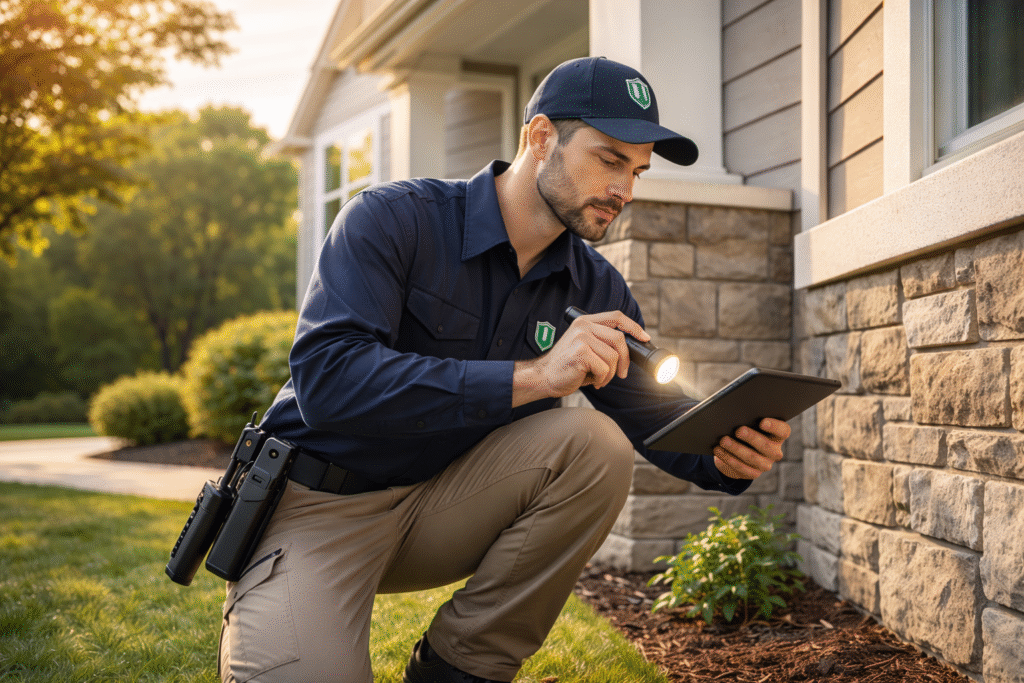
Table of Contents
Introduction
Integrated Pest Management represents a fundamental shift in how we think about pest control. Rather than relying solely on chemical treatments after an infestation occurs, this comprehensive strategy combines multiple techniques to prevent pest problems before they start and manage them effectively when they do arise.
Understanding the IPM Philosophy
At its core, Integrated Pest Management focuses on long-term prevention through a combination of techniques including habitat modification, biological controls, and targeted chemical applications only when necessary. This approach recognizes that pests are part of our ecosystem, and the goal isn’t always complete elimination but rather keeping populations at manageable levels that don’t threaten health, property, or comfort.
The strategy works by understanding pest biology and environmental factors, then using that knowledge to create conditions that are unfavorable for pest establishment and reproduction. This proactive stance proves far more effective and economical than reactive pest control methods.
The Four-Tiered Approach
Integrated Pest Management follows a systematic four-tier approach that escalates intervention only as needed.
Tier 1: Prevention and Monitoring
The foundation of any successful program begins with making environments less hospitable to pests. This includes sealing entry points, eliminating food and water sources, proper waste management, and maintaining clean spaces. Regular monitoring through inspections and traps helps identify potential problems early, before populations explode.
Tier 2: Identification and Assessment
Not every pest requires intervention. IPM emphasizes accurate pest identification to determine whether action is necessary. Some insects are beneficial or harmless, while others pose genuine threats. Understanding pest life cycles and behavior patterns allows for targeted action at the most vulnerable stages.
Tier 3: Control Methods
When intervention becomes necessary, Integrated Pest Management prioritizes the least toxic methods first. Physical controls might include traps, barriers, or temperature treatments. Biological controls use natural predators or pathogens specific to the pest. Cultural controls modify the environment to make it less suitable for pests.
Tier 4: Chemical Controls
Only when other methods prove insufficient does this approach incorporate chemical pesticides, and even then, it selects the most targeted, least toxic options applied in precise locations. This minimizes environmental impact while maximizing effectiveness.
Benefits for Property Owners
Adopting Integrated Pest Management delivers numerous advantages over traditional pest control methods. First, it significantly reduces chemical exposure for occupants, pets, and the environment. This makes it particularly valuable for schools, healthcare facilities, restaurants, and homes with children or sensitive individuals.
Second, the preventive focus of this strategy reduces the frequency and severity of infestations, leading to lower long-term costs. While the initial investment in comprehensive inspections and preventive measures may seem higher, property owners save money by avoiding expensive emergency treatments and pest-related damage.
Third, Integrated Pest Management proves more sustainable over time. Pests develop resistance to chemical treatments when they’re overused, but the varied approaches within IPM make resistance development far less likely. The strategy adapts and evolves as pest populations change, ensuring continued effectiveness.
Practical Implementation
Implementing this approach successfully requires partnership between pest management professionals and property occupants. Professionals conduct thorough inspections, identify conducive conditions, develop customized action plans, and provide ongoing monitoring. Property occupants must maintain sanitation standards, report pest sightings promptly, and cooperate with preventive recommendations.
For residential properties, this might mean storing food in sealed containers, fixing leaky pipes, trimming vegetation away from the structure, and keeping gutters clean. In commercial settings, employee training on proper food handling, waste disposal, and early detection becomes crucial.
Environmental and Health Considerations
The reduced reliance on chemical pesticides makes Integrated Pest Management the environmentally responsible choice. It protects beneficial insects like pollinators, reduces groundwater contamination, and preserves ecosystem balance. For people with chemical sensitivities, respiratory conditions, or compromised immune systems, this approach provides effective pest control without exacerbating health concerns.
Conclusion
As awareness grows about the limitations and drawbacks of conventional pest control, Integrated Pest Management continues gaining adoption across residential, commercial, and agricultural sectors. Advances in monitoring technology, biological controls, and pest behavior research enhance the effectiveness of this strategy.
Whether you’re managing a single-family home, a multi-unit residential building, a restaurant, or an office complex, this comprehensive approach offers superior long-term protection. By addressing the root causes of pest problems rather than just treating symptoms, it creates healthier, safer environments while proving more cost-effective and sustainable over time.
Need a professional touch?
Don’t wait until pests take over—stay one step ahead with Blue Diamond’s pest control.
 contact@bluediamondfm.com
 +971 56 705 4223
 https://pestcontrolservicesuae.com/
How long does it take to see results with Integrated Pest Management?
Results vary depending on the severity of the existing infestation and the type of pest. Some improvements may be visible within days, but the full benefits typically become apparent over weeks or months as preventive measures take effect and pest populations decline naturally.
Is Integrated Pest Management more expensive than traditional pest control?
Initial costs may be slightly higher due to comprehensive inspections and prevention work, but long-term costs are typically lower. By preventing major infestations and reducing the need for repeated chemical treatments, property owners save money over time.
Will I still need chemical treatments with this approach?
Not necessarily. Many pest problems can be resolved through prevention, exclusion, and non-chemical methods. When chemicals are needed, they’re used strategically and minimally, targeting specific areas rather than blanket applications.
Can Integrated Pest Management work for severe infestations?
Yes. While it excels at prevention, this strategy can also address existing infestations. The approach may initially include more intensive treatments to bring populations under control, then transition to preventive maintenance.
How often should inspections occur under this system?
Inspection frequency depends on factors like property type, pest pressure, and history. Most residential properties benefit from quarterly inspections, while commercial facilities, especially those in food service, may require monthly monitoring.
Frequently Asked Questions (FAQs)
Share this
Book Your
Service In
30 Seconds
- 31 years of experinece
- Served 40,000+ clients across UAE
- Dubai Municipality Approved
- Eco - friendly products safe for All
- Cost Effective
- 24/7 Customer support
Check out our Recent Blogs
How Cockroach Infestations Affect Health and Hygiene
Table of Contents Introduction Cockroach infestations are more than just an unsettling nuisance — they represent a genuine threat to...
Why Professional Pest Control Is Essential for Homes and Businesses
Table of Contents Introduction Professional pest control is one of the most overlooked yet critical investments a property owner can...

