
The Role of Hygiene in Effective Pest Control
- Pest_Control
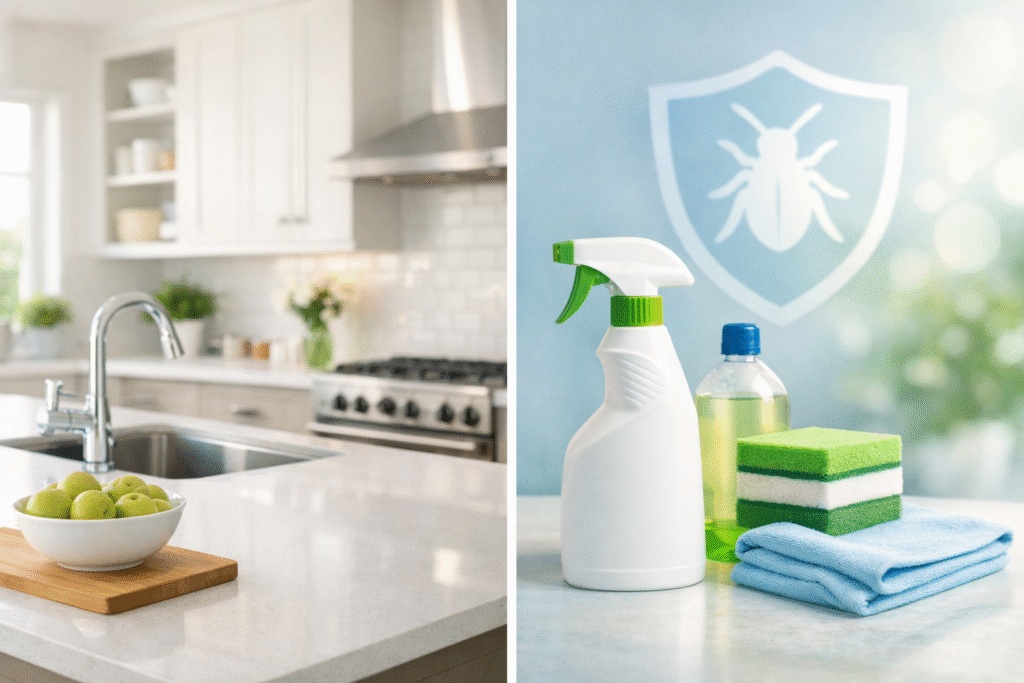
Table of Contents
Introduction
Hygiene forms the foundation of any successful pest control strategy. While professional treatments and preventive measures are important, maintaining proper cleanliness standards can mean the difference between a pest-free environment and an ongoing infestation problem. Understanding this connection empowers property owners to take control of their spaces and create environments where pests simply cannot thrive.
Understanding the Pest-Hygiene Connection
Pests are opportunistic creatures seeking three basic necessities: food, water, and shelter. When these elements are readily available, your property becomes an attractive destination for unwanted visitors. Poor sanitation practices create ideal conditions for various pests, from cockroaches and rodents to flies and ants. By addressing cleanliness issues, you eliminate the very reasons pests are attracted to your space in the first place.
The relationship between cleanliness and pest prevention is straightforward yet profound. Crumbs on countertops, food residue in sink drains, overflowing garbage bins, and cluttered storage areas all serve as invitations for pests. Once they establish themselves, populations can grow exponentially, making eradication significantly more challenging and costly.
Key Areas Requiring Attention
Kitchen Spaces
The kitchen represents the most critical area for maintaining Hygiene standards that prevent pest activity. Food preparation areas must be cleaned thoroughly after each use, with particular attention to hidden spaces behind appliances and under cabinets. Wipe down surfaces with appropriate cleaners, sweep floors daily, and address spills immediately. Store food in airtight containers, and never leave dishes unwashed overnight.
Waste Management
Proper garbage disposal practices are essential for pest prevention. Empty trash bins regularly, use containers with tight-fitting lids, and clean the bins themselves periodically to remove residue. Outdoor garbage areas should be kept clean and positioned away from building entrances. Recycling bins also require attention, as sticky residues from bottles and cans attract pests.
Moisture Control
Many pests require water to survive, making moisture management a critical component of your overall strategy. Fix leaky pipes promptly, ensure proper ventilation in bathrooms and basements, and use dehumidifiers in damp areas. Standing water in plant saucers, pet bowls, or floor puddles should be eliminated.
Storage Areas
Cluttered spaces provide excellent hiding spots for pests. Maintain organized storage areas with items elevated off the floor and away from walls. Regular cleaning of these spaces, including basements, attics, and garages, prevents pest populations from establishing themselves unnoticed. Vacuum regularly to remove potential food sources and pest eggs.
Business Implications
For commercial properties, maintaining high standards is not just about pest prevention—it’s about protecting your reputation, ensuring regulatory compliance, and safeguarding customer health. Restaurants, food processing facilities, healthcare institutions, and hospitality businesses face particularly strict requirements. Regular staff training on proper sanitation protocols ensures everyone understands their role in maintaining a pest-free environment.
A single pest sighting can damage years of brand building. Customers who encounter pests in your establishment are unlikely to return and may share their experiences through reviews and social media. Professional cleaning schedules, combined with staff accountability, create a culture of cleanliness that naturally resists pest intrusion.
Integrating Professional Pest Control
While proper maintenance significantly reduces pest risks, it works best when integrated with professional pest control services. Experts can identify vulnerabilities you might overlook, provide targeted treatments for existing problems, and establish monitoring systems to detect early warning signs. Think of cleanliness as your first line of defense and professional services as your comprehensive protection strategy.
Regular inspections by pest control professionals complement your efforts by identifying potential entry points, assessing risk factors, and recommending specific improvements to your sanitation practices. This partnership approach delivers the most effective long-term results.
Creating Sustainable Habits
Success in pest prevention requires consistency rather than occasional intensive cleaning. Establish daily, weekly, and monthly routines that address all vulnerable areas. Assign responsibilities to household members or employees, and use checklists to ensure nothing is overlooked. These habits become easier over time and eventually require minimal conscious effort.
Education plays a vital role in sustaining these practices. Everyone in your home or business should understand why these measures matter and how their actions contribute to a pest-free environment. When people comprehend the connection between their behaviors and pest problems, they’re more likely to maintain standards consistently.
Conclusion
The role of maintaining cleanliness in effective pest control cannot be overstated. By eliminating access to food, water, and shelter, you remove the primary attractants that draw pests to your property. Combined with professional pest management services, strong sanitation practices create an environment where pests cannot establish themselves or thrive. Whether you’re protecting your home or managing a commercial facility, prioritizing cleanliness delivers long-term benefits that extend far beyond pest prevention, contributing to overall health, safety, and peace of mind.
Need a professional touch?
Don’t wait until pests take over—stay one step ahead with Blue Diamond’s pest control.
 contact@bluediamondfm.com
 +971 56 705 4223
 https://pestcontrolservicesuae.com/
How often should I deep clean to prevent pests?
Deep cleaning should occur monthly at minimum, with daily maintenance of high-risk areas like kitchens. High-traffic commercial spaces may require daily deep cleaning of food preparation areas.
Can good hygiene completely eliminate the need for professional pest control?
While excellent sanitation dramatically reduces pest risks, professional pest control provides additional protection through preventive treatments, expert inspections, and early detection systems that complement your cleaning efforts.
What are the most common hygiene mistakes that attract pests?
The most frequent mistakes include leaving dirty dishes overnight, not cleaning behind appliances, neglecting to seal food containers properly, allowing garbage to overflow, and ignoring moisture issues from leaks or condensation.
How does seasonal change affect hygiene requirements for pest control?
Seasonal transitions often drive pests indoors seeking warmth or moisture. Increase cleaning frequency during spring and fall, pay extra attention to entry points, and ensure outdoor areas remain clean to prevent pests from approaching your property.
Are natural cleaning products effective for pest prevention?
Many natural cleaning products effectively remove food residues and odors that attract pests. However, focus on thorough cleaning rather than product type—proper technique and consistency matter more than whether cleaners are natural or chemical-based.
Frequently Asked Questions (FAQs)
Share this
Book Your
Service In
30 Seconds
- 31 years of experinece
- Served 40,000+ clients across UAE
- Dubai Municipality Approved
- Eco - friendly products safe for All
- Cost Effective
- 24/7 Customer support
Check out our Recent Blogs
How Cockroach Infestations Affect Health and Hygiene
Table of Contents Introduction Cockroach infestations are more than just an unsettling nuisance — they represent a genuine threat to...
Why Professional Pest Control Is Essential for Homes and Businesses
Table of Contents Introduction Professional pest control is one of the most overlooked yet critical investments a property owner can...

