
Smart Home Solutions for Pest Monitoring and Control
- Pest_Control
Introduction
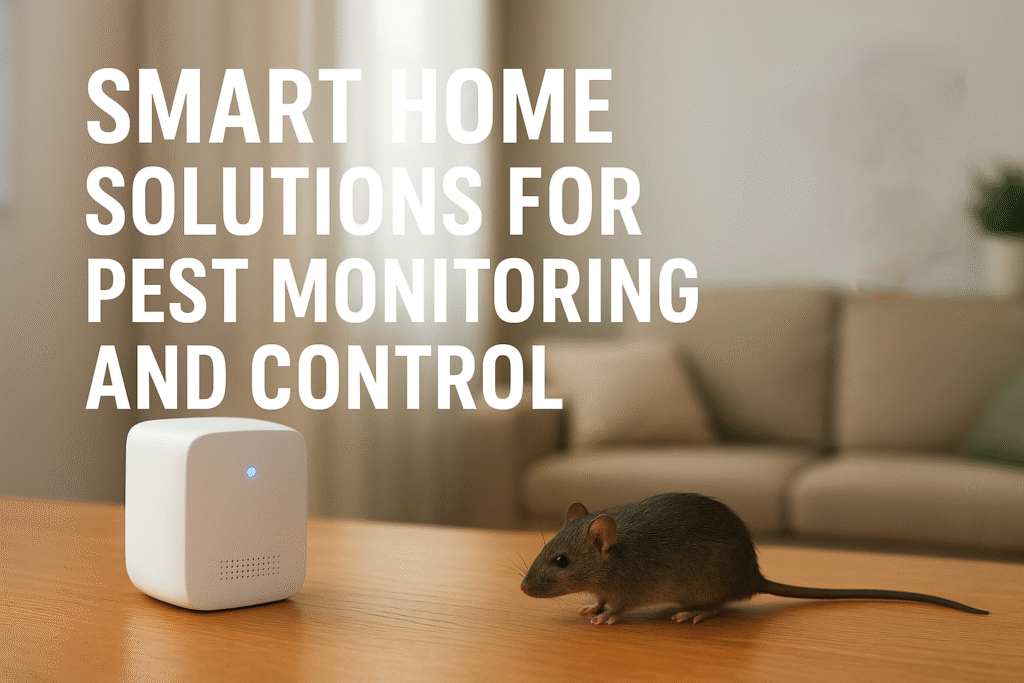
Smart Home technology is changing the way people live, offering greater convenience, comfort, and safety at the touch of a button. Beyond energy savings and security, one of the emerging applications of this technology is in pest monitoring and control. Traditional pest management often relies on periodic inspections and chemical treatments, but with connected devices, property owners can now enjoy real-time protection that is both proactive and sustainable.
In this blog, we will explore how Smart Home solutions are transforming pest management, the benefits of automation, and why investing in these systems is a long-term safeguard for your property.
The Rise of Smart Home Technology in Pest Control
Smart Home devices have grown from luxury gadgets into essential household tools. From voice assistants to automated lighting, these systems make everyday life more seamless. The same principles are now being applied to pest monitoring and control. By integrating sensors, cameras, and data-driven alerts, homeowners and businesses can detect pests early before they cause significant damage.
Instead of reacting to infestations after they become costly problems, Smart Home systems provide continuous oversight, reducing both health risks and repair expenses.
Key Features of Smart Pest Monitoring
- Intelligent Sensors
Modern pest control systems include infrared motion detectors, vibration sensors, and temperature monitors that can identify unusual patterns indicating pest presence. These devices can be discreetly installed in kitchens, storage rooms, or basements where infestations often start.
- Real-Time Alerts
When activity is detected, the Smart Home system instantly sends alerts to your smartphone or control panel. This allows property owners to take immediate action, whether that’s calling a professional service or activating in-built deterrents.
- Smart Cameras and Traps
High-resolution cameras paired with AI can identify specific pests, distinguishing between rodents, insects, or harmless movements. Additionally, smart traps can automatically capture pests and notify you when they need servicing, minimizing manual monitoring.
- Integration with Existing Systems
Many Smart Home platforms can integrate pest monitoring tools with security and environmental controls. For instance, a sudden increase in humidity could trigger both a dehumidifier and a pest alert, addressing the root cause of infestations.
Benefits of Smart Home Pest Control
- Prevents Costly Damage
Pests like termites, rodents, and cockroaches can cause significant structural and health-related problems. Smart monitoring helps detect early signs, preventing thousands in repairs and medical risks.
- Enhances Safety and Hygiene
Traditional pest control often involves chemical sprays. With automated monitoring and targeted solutions, Smart Home systems reduce the need for unnecessary chemicals, making them safer for families and pets.
- Saves Time and Effort
Manual inspections and treatments can be time-consuming. With automation, much of the work happens in the background, only alerting you when action is required.
- Eco-Friendly Approach
By focusing on prevention and precision, Smart Home pest solutions reduce waste and environmental impact compared to blanket pesticide applications.
Use Cases for Homes and Businesses
While Smart Home pest solutions are designed for residential use, they also have significant applications in commercial environments. Restaurants, warehouses, and hotels can all benefit from real-time monitoring that ensures compliance with hygiene regulations.
- Restaurants: Avoid food contamination by detecting rodents and insects before they spread.
- Warehouses: Protect stored goods with integrated traps and motion sensors.
- Hotels: Maintain a pest-free environment that supports guest satisfaction and brand reputation.
These solutions scale easily, making them effective for both small homes and large facilities.
The Future of Pest Control
As artificial intelligence and machine learning continue to evolve, Smart Home pest control will become even more sophisticated. Predictive analytics could soon forecast potential infestations based on seasonal patterns, weather conditions, and local pest activity. This shift means property owners will move from reactive pest control to predictive and preventative management.
Moreover, integration with voice assistants and mobile apps will make these solutions more user-friendly. Imagine simply asking your home assistant about pest activity levels and receiving a detailed report within seconds.
Why You Should Invest in Smart Home Pest Solutions
Pest control is not just about comfort; it’s about protecting health, safety, and property value. By adopting Smart Home pest monitoring systems, you gain peace of mind knowing that potential threats are identified and addressed before they escalate. Whether you’re a homeowner concerned about termites or a business owner safeguarding your operations, these solutions deliver a cost-effective, eco-friendly, and reliable approach to pest control.
Conclusion
Smart Home solutions are redefining what it means to live in a safe and comfortable environment. By applying automation, real-time monitoring, and intelligent integration, these systems provide a modern approach to pest control that is both efficient and sustainable. Investing in Smart Home pest solutions is not just a trend—it’s a practical step toward ensuring long-term protection for your property and loved ones.
Need a professional touch?
Don’t wait until pests take over—stay one step ahead with Blue Diamond’s pest control.
 contact@bluediamondfm.com
 +971 56 705 4223
 https://pestcontrolservicesuae.com/
Frequently Asked Questions (FAQs)
What is a Smart Home pest control system?
A Smart Home pest control system uses connected devices like sensors, cameras, and AI-powered traps to monitor and manage pests automatically. It detects infestations early and provides alerts, reducing the need for manual inspections.
How does it detect pests?
These systems use motion sensors, infrared cameras, vibration detectors, and environmental sensors to identify unusual activity that indicates the presence of pests such as rodents, insects, or termites.
Can it replace traditional pest control methods?
Smart Home solutions are most effective when used alongside professional pest control. They excel in early detection, continuous monitoring, and prevention, reducing the frequency and intensity of chemical treatments.
Is it safe for children and pets?
Yes. Smart Home pest control focuses on monitoring and targeted interventions, minimizing the use of harmful chemicals and making it safer for families and pets.
Can businesses use Smart Home pest solutions?
Absolutely. Restaurants, hotels, warehouses, and commercial properties can benefit from automated monitoring to comply with hygiene standards and prevent costly infestations.
Share this
Book Your
Service In
30 Seconds
- 30 years of experinece
- Served 40,000+ clients across UAE
- Dubai Municipality Approved
- Eco - friendly products safe for All
- Cost Effective
- 24/7 Customer support
Check out our Recent Blogs

Best Pest Control Solutions for Restaurants in the UAE
Table of Contents Best Pest Control Solutions for Restaurants and Food Establishments in the UAE A single cockroach on a...

Blue Diamond: Leading Pest Control Provider in UAE
Table of Contents Why Blue Diamond Is the Leading Pest Control Provider in UAE Ask ten facilities managers what they...