
Termite Trouble: Early Signs and Effective Treatment Options
- Pest_Control
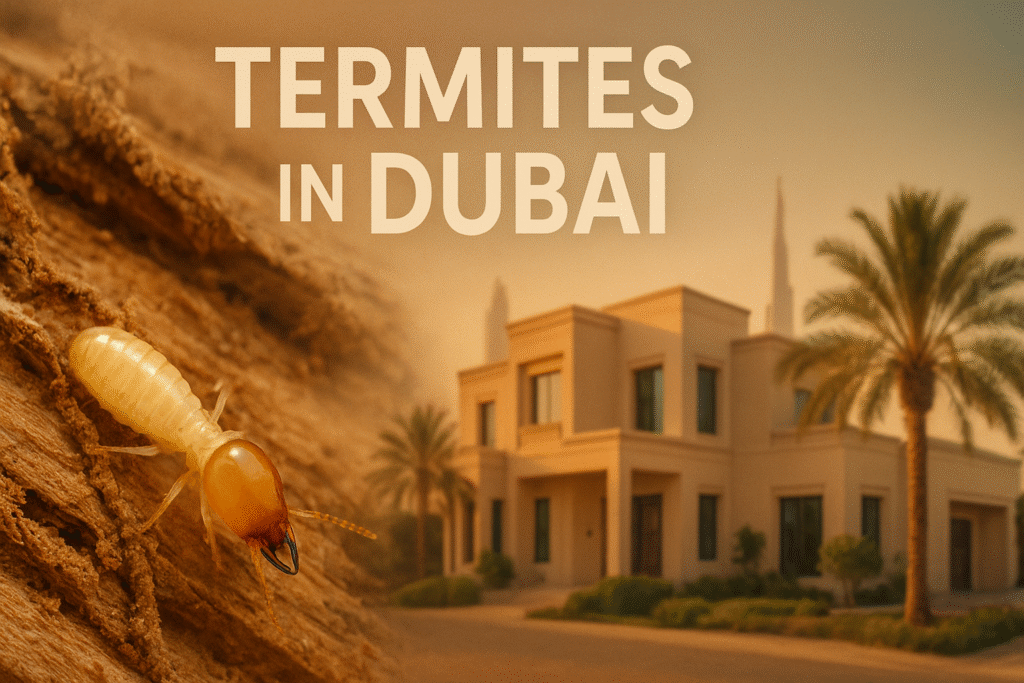
Table of Contents
Introduction
Termite damage costs UAE property owners millions of dirhams annually, making these tiny insects one of the most destructive pests facing homeowners and businesses in Dubai today. Unlike other household pests that are merely nuisances, these wood-destroying organisms can compromise the structural integrity of your property, often working silently behind walls and beneath floors for years before detection. Understanding how to identify an infestation early and knowing your treatment options can save you thousands of dirhams in repairs and preserve your property’s value.
Understanding the Silent Destroyer
These wood-eating insects live in colonies that can number in the millions, working 24 hours a day to consume cellulose found in wood, paper, and other plant materials. While they play an important ecological role in nature by breaking down dead trees and returning nutrients to the soil, they become a serious problem when they target the wooden structures of our properties. In Dubai’s climate, subterranean species are particularly prevalent, thriving in the moisture found around irrigation systems, swimming pools, and landscaped gardens that are common in residential compounds and villas.
What makes these pests particularly dangerous is their ability to remain hidden. A colony can thrive within your walls for years, hollowing out wooden beams, door frames, and supports without leaving obvious external signs. By the time property owners notice visible damage, the infestation has often reached an advanced stage, requiring extensive and expensive repairs.
Early Warning Signs to Watch For
Detecting an infestation early is crucial for minimizing damage. Here are key indicators that should prompt immediate inspection:
Mud Tubes: Subterranean species build pencil-sized tunnels along villa walls, compound boundaries, and foundation areas, connecting their underground colonies to wood sources above ground. These tubes protect them from Dubai’s dry air and predators while they travel.
Discarded Wings: During Dubai’s cooler months from October to March, reproductive members swarm to establish new colonies. Finding piles of translucent wings near windows, doors, balconies, or outdoor lighting often indicates a colony has matured nearby.
Hollow-Sounding Wood: When you tap on wooden surfaces that sound hollow or papery, it may indicate internal tunneling. These insects eat wood from the inside out, leaving only a thin veneer of surface material.
Frass or Droppings: Drywood varieties push their pellet-shaped droppings out of small holes in infested wood. These tiny, hexagonal pellets often accumulate in small piles below exit holes, particularly in wooden furniture, built-in wardrobes, and window frames.
Bubbling or Peeling Paint: When moisture from their activity gets trapped beneath paint, it can cause bubbling, peeling, or discoloration that resembles water damage.
Damaged Wooden Structures: Advanced infestations can weaken door frames, window sills, wooden decking around pools, and pergolas commonly found in Dubai gardens.
Professional Inspection: Your First Line of Defense
If you notice any warning signs, scheduling a professional inspection should be your immediate priority. Licensed pest control specialists approved by Dubai Municipality use specialized tools including moisture meters, acoustic sensors, and infrared cameras to detect hidden colonies. Many reputable companies in Dubai offer free initial inspections, and catching an infestation early can mean the difference between a manageable treatment and extensive structural repairs.
Effective Treatment Options
Modern pest control offers several proven treatment methods available in Dubai, each suited to different infestation types and severity levels:
Liquid Barrier Treatments: For subterranean infestations, professionals apply liquid termiticides around and beneath your property’s foundation, creating a protective barrier that eliminates existing colonies and prevents new ones from entering. These treatments are particularly effective in Dubai’s sandy soil conditions and typically last 5-10 years.
Baiting Systems: Strategically placed monitoring stations around your villa or compound contain cellulose material laced with slow-acting insecticides. Workers carry the toxin back to their colony, eliminating it over several weeks. This method is popular in Dubai’s residential communities.
Fumigation: For widespread drywood infestations, whole-structure fumigation may be necessary. Your property is sealed under specialized tenting and filled with gas that penetrates all wood surfaces, eliminating the entire colony. This requires temporary relocation for 24-48 hours.
Heat Treatment: An eco-friendly alternative involves raising the temperature throughout affected areas to lethal levels, typically 50-60°C, which kills all life stages without chemicals. This method works well in Dubai’s already warm climate.
Spot Treatments: For localized drywood infestations in furniture or specific wooden elements, professionals can inject foam or dust formulations directly into galleries, providing targeted elimination.
Prevention Strategies for Dubai Properties
Prevention is always more cost-effective than treatment. Reduce your risk by eliminating moisture problems around irrigation systems and pool areas, ensuring proper ventilation in storage areas and under staircases, storing garden furniture and wooden items away from soil contact, removing wooden debris from landscaped areas, maintaining regular pool area inspections, and scheduling annual inspections, especially during pre-purchase property surveys.
Dubai’s irrigation-heavy landscaping and year-round warmth create ideal conditions for colonies to thrive, making vigilance essential for villa and townhouse owners.
The Cost of Delay
Ignoring potential warning signs can be financially devastating. The average Dubai property owner spends AED 10,000-15,000 on damage repairs, with severe cases reaching AED 40,000 or more. Most home insurance policies in the UAE don’t cover damage caused by these pests, making prevention and early detection essential for protecting your investment.
Conclusion
Protecting your Dubai property from these destructive insects requires vigilance, prompt action, and professional expertise. Whether you’re seeing warning signs or simply want peace of mind, don’t wait until visible damage appears. Contact a Dubai Municipality-licensed pest control company for an inspection and develop a comprehensive protection plan tailored to your property’s specific needs. Many companies serve areas including Dubai Marina, Arabian Ranches, Jumeirah, Downtown Dubai, and other residential communities across the emirate.
Need a professional touch?
Don’t wait until pests take over—stay one step ahead with Blue Diamond’s pest control.
 contact@bluediamondfm.com
 +971 56 705 4223
 https://pestcontrolservicesuae.com/
How quickly can termites damage a Dubai home?
A mature colony can consume about 450 grams of wood per day. In Dubai’s warm climate where these pests remain active year-round, significant structural damage can occur within 3-8 years, though smaller colonies may take longer. The constant warmth accelerates their activity compared to cooler climates.
Can I treat a termite infestation myself in Dubai?
While DIY products are available at some hardware stores, professional treatment by a Dubai Municipality-licensed company is strongly recommended. Pest control specialists have access to approved products, specialized equipment, and the expertise to locate hidden colonies that homeowners typically miss. DIY treatments may also violate building regulations in some communities.
How often should I have my Dubai property inspected?
Annual inspections are recommended for most properties. Villas with extensive landscaping, swimming pools, or previous infestations should consider inspections every 6 months. Many Dubai property management companies include annual pest inspections in their maintenance packages.
Are termites active year-round in Dubai?
Yes, Dubai’s consistently warm temperatures mean these insects remain active throughout the year, unlike seasonal patterns in cooler climates. Swarming typically peaks during cooler months (October-March) when temperatures are more moderate and humidity increases slightly.
What's the difference between termites and flying ants in Dubai?
Key differences include wing length (equal-length vs. unequal), waist thickness (thick vs. narrow), and antennae shape (straight vs. bent). Both species are found in Dubai, so professional identification ensures proper treatment. Flying ants are more commonly seen after rare rainfall events.
Frequently Asked Questions (FAQs)
Share this
Book Your
Service In
30 Seconds
- 30 years of experinece
- Served 40,000+ clients across UAE
- Dubai Municipality Approved
- Eco - friendly products safe for All
- Cost Effective
- 24/7 Customer support
Check out our Recent Blogs
Seasonal Pest Problems in Dubai and How to Prevent Them
Table of Contents Introduction Seasonal pest activity in Dubai is a reality that every homeowner and business owner must take...
The Cost of Delaying Pest Control and Its Impact on Property Value in Dubai
Table of Contents Introduction Delaying pest control is one of the most expensive mistakes a property owner in Dubai can...

