
How Pest Control Supports Compliance with Municipality Regulations
- Pest_Control
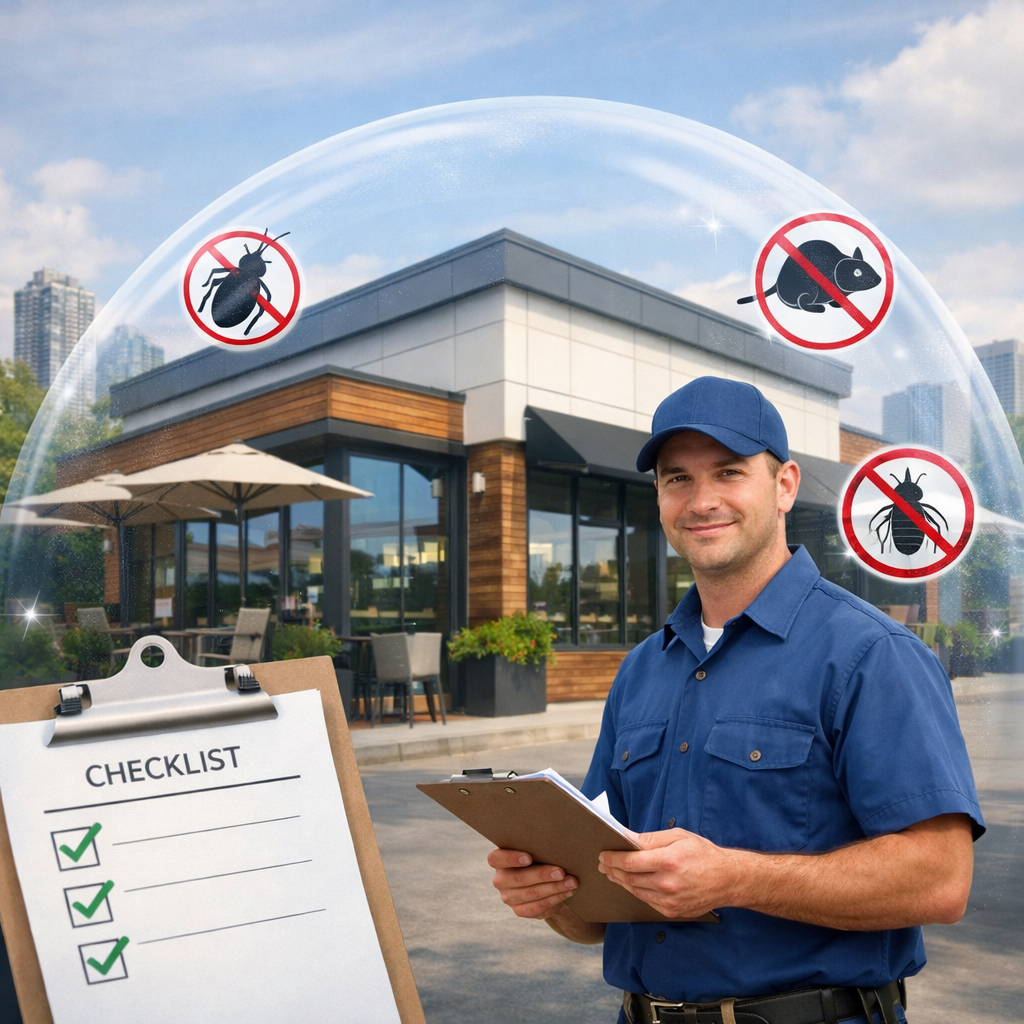
Table of Contents
Introduction
Municipal regulations exist to protect public health, safety, and welfare. For businesses across various industries, maintaining compliance with local ordinances is not just good practice—it’s legally mandatory. One critical area where many businesses face scrutiny is pest management. Understanding how pest control supports compliance with municipality regulations can help business owners avoid costly fines, closures, and reputational damage.
Understanding Municipal Pest Control Requirements
Most municipalities have established codes that directly or indirectly address pest control. These regulations typically fall under health and sanitation ordinances, requiring property owners to maintain premises free from pest infestations. Food service establishments, healthcare facilities, hotels, and multi-family housing units face particularly stringent requirements.
Local health departments conduct routine inspections to ensure businesses meet established standards. During these visits, inspectors look for signs of pest activity, sanitation issues, and evidence of ongoing pest management efforts. Pest control supports these compliance efforts by providing documentation, implementing preventative measures, and addressing active infestations promptly.
How Pest Control Supports Business Operations
Professional pest management does more than eliminate unwanted visitors. Pest control supports your ability to operate legally within your municipality by creating comprehensive management plans tailored to local regulations. Licensed pest control providers understand regional requirements and design services that align with municipal expectations.
These professionals conduct regular inspections, identify potential violations before they become problems, and maintain detailed service records. This documentation proves invaluable during municipal inspections, demonstrating your commitment to maintaining compliant premises. Pest control supports your defense against citations by providing evidence of proactive management.
Industry-Specific Compliance Needs
Different industries face unique regulatory challenges. Restaurants and food processing facilities must comply with strict health codes that leave no room for pest presence. A single cockroach sighting can result in point deductions, mandatory closures, or revoked operating licenses. Pest control supports these establishments through integrated pest management (IPM) programs that emphasize prevention and monitoring.
Healthcare facilities face regulations from multiple agencies requiring sterile, pest-free environments. Schools must protect children from pest-related health hazards while minimizing pesticide exposure. Hotels and apartment complexes must respond to tenant complaints and maintain habitable conditions as defined by housing codes. In each scenario, pest control supports compliance through customized solutions addressing specific municipal requirements.
The Documentation Advantage
Municipal compliance often hinges on proper documentation. Pest control supports record-keeping requirements by providing detailed service reports after each visit. These reports document inspection findings, treatment applications, pest identification, and recommendations for corrective action.
During municipal inspections, this documentation demonstrates due diligence. Inspectors want to see that property owners take pest management seriously and work proactively to prevent infestations. Service logs showing regular pest control visits, treatment history, and corrective measures taken significantly strengthen your compliance position.
Preventative Measures and Proactive Management
Modern pest control supports compliance through prevention-focused strategies rather than reactive treatments alone. Integrated Pest Management emphasizes sanitation, exclusion, and monitoring to prevent pest problems before they start. This approach aligns perfectly with municipal regulations that require property owners to eliminate conditions conducive to pest harborage.
Professional pest technicians identify structural vulnerabilities, sanitation deficiencies, and conducive conditions during inspections. They provide recommendations for repairs, waste management improvements, and maintenance practices that support ongoing compliance. By addressing root causes rather than symptoms, pest control supports long-term regulatory adherence.
Avoiding Penalties and Closures
Municipal violations carry serious consequences. Initial citations may result in warnings, but repeated violations escalate to fines, mandatory closures, and legal action. For food establishments, a critical violation related to pest infestation can trigger immediate closure until the problem is resolved.
The financial impact extends beyond direct penalties. Closures result in lost revenue, damaged reputation, and diminished customer trust. Pest control supports your ability to avoid these scenarios through consistent monitoring and rapid response to emerging issues. Early detection and treatment prevent minor problems from becoming compliance disasters.
Choosing the Right Pest Control Partner
Not all pest control services equally support municipal compliance needs. Look for licensed providers with experience in your industry and familiarity with local regulations. Ask about their documentation practices, response times, and approach to preventative management.
Your pest control provider should function as a compliance partner, keeping you informed about regulatory requirements and helping you maintain standards between inspections. They should communicate clearly about findings, explain treatment methods, and provide actionable recommendations for improving pest management outcomes.
Conclusion
Municipal compliance requires ongoing attention and professional support. Pest control supports your regulatory obligations by providing expertise, documentation, and proactive management strategies tailored to local requirements. By partnering with qualified professionals and prioritizing preventative measures, businesses can confidently meet municipal standards while protecting their operations, customers, and reputation.
Need a professional touch?
Don’t wait until pests take over—stay one step ahead with Blue Diamond’s pest control.
 contact@bluediamondfm.com
 +971 56 705 4223
 https://pestcontrolservicesuae.com/
How often should businesses schedule pest control services to maintain compliance?
Most municipalities don’t specify exact frequency, but monthly or quarterly services are standard for commercial properties. Food service establishments typically require monthly visits, while offices might maintain compliance with quarterly services. Your local health department and pest control provider can recommend appropriate scheduling based on your industry and risk factors.
What documentation do I need to show during a municipal inspection?
Inspectors typically want to see pest control service logs showing dates of service, areas treated, pest findings, and treatments applied. Keep at least 12 months of records readily accessible. Your pest control company should provide detailed reports after each visit that satisfy documentation requirements.
Can I handle pest control myself to save money?
While some basic preventative measures are acceptable, most municipalities require professional pest control for commercial properties, especially food service establishments. DIY approaches rarely provide adequate documentation or expertise to satisfy regulatory requirements. Professional pest control supports compliance in ways that self-treatment cannot.
What happens if I fail a municipal inspection due to pests?
Consequences vary by municipality and violation severity. Minor issues may receive warnings with reinspection deadlines. Critical violations involving active infestations in food areas can trigger immediate closure. You’ll typically receive a specified timeframe to correct violations and schedule reinspection. Working with professional pest control supports rapid remediation.
Are there specific pests that municipalities are most concerned about?
Rodents, cockroaches, and flies receive particular attention because they transmit diseases and contaminate food. Bed bugs are increasingly scrutinized in hospitality and housing. Any pest that poses health risks or indicates sanitation problems will concern inspectors. Comprehensive pest control supports management of all regulated pest species.
Frequently Asked Questions (FAQs)
Share this
Book Your
Service In
30 Seconds
- 31 years of experinece
- Served 40,000+ clients across UAE
- Dubai Municipality Approved
- Eco - friendly products safe for All
- Cost Effective
- 24/7 Customer support
Check out our Recent Blogs
Fumigation Services UAE: When Is Fumigation Necessary?
Table of Contents Fumigation Services UAE: When Is Fumigation Necessary? Fumigation is the heaviest tool in the pest control toolbox,...
Ant Control UAE: How to Stop Ant Infestations Fast
Table of Contents Ant Control UAE: How to Stop Ant Infestations at Home & Work A trail of ants across...